
Key Takeaways
- Natural Materials: Build foundations using renewable, sustainable options like bamboo, reclaimed wood, cork, and organic textiles to minimize carbon footprint and add warmth.
- Minimalist Functionality: Emphasize streamlined, multi-purpose furniture to maintain a clutter-free, practical environment.
- Low-Impact Production: Select pieces manufactured with non-toxic finishes and processes to eliminate harmful indoor air pollutants and foster a healthy living space.
- Energy-Efficient Integration: Combine smart lighting—such as adjustable LEDs—and eco-friendly appliances seamlessly into the overall interior design.
- Upcycling & Vintage Character: Incorporate pre-loved or upcycled furniture to reduce waste while injecting a unique, eclectic style.
- Conscious Textiles: Utilize organic fibers like cotton, hemp, and wool to ensure softness, durability, and minimal environmental impact.
In an era where environmental consciousness is at the forefront of design trends, modern eco-homes have emerged as a beacon of sustainable living. These homes seamlessly integrate green technologies, energy efficiency, and eco-friendly materials with contemporary aesthetics. But how do you strike the perfect balance between sustainability and style when it comes to furnishing and decorating these cutting-edge spaces? In this post, we delve into the art of furnishing and decorating modern eco-homes, where comfort meets conscience and design marries sustainability.
Embracing Natural Materials
The foundation of furnishing an eco-home lies in the materials you choose. Opt for sustainable and renewable options like bamboo, reclaimed wood, cork, and organic textiles. These materials not only reduce your carbon footprint but also infuse your home with a warm and inviting ambiance.

Functionality and Minimalism
Modern eco-homes often embrace minimalistic design principles, focusing on functionality and simplicity. Choose furniture and decor that serve a purpose while maintaining a clutter-free environment. Streamlined and multi-functional pieces work well in these spaces.
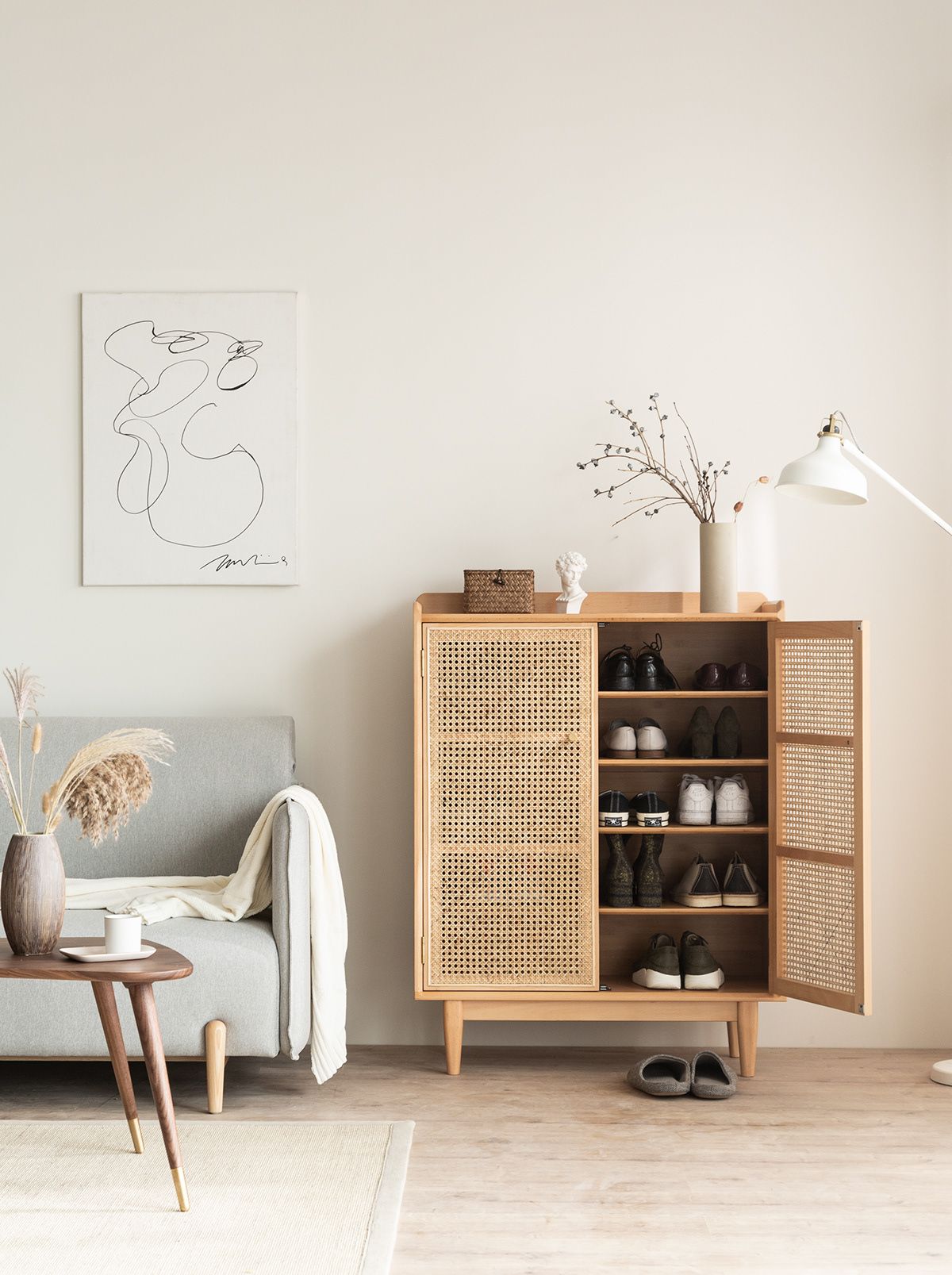
Choose Low-Impact Furnishings
Look for furniture made using low-impact production processes and non-toxic finishes. Avoid pieces that contain harmful chemicals or contribute to indoor air pollution. This not only ensures a healthier home environment but also aligns with the ethos of sustainability.
Efficiency Meets Aesthetics
Incorporate energy-efficient appliances and lighting fixtures that blend seamlessly with your interior design. LED lighting, for instance, offers both energy savings and the flexibility to create various moods through lighting design.

Upcycling and Vintage Finds
Embrace the charm of upcycled and vintage furniture. Repurposing old pieces or choosing pre-loved items reduces waste and adds character to your home. Mix these finds with modern elements for a unique and eclectic look.

Sustainable Textiles
Choose textiles made from organic fibers like cotton, hemp, or wool. These materials are not only gentle on the environment but also offer a cozy and comfortable feel to your home.

In furnishing and decorating modern eco-homes, the key is to align your design choices with a commitment to sustainability. By embracing eco-friendly materials, energy-efficient technologies, and mindful design principles, you can create a space that not only looks stunning but also contributes to a healthier planet. The fusion of style and sustainability in these homes represents a new standard of living – one that is both aesthetically pleasing and environmentally conscious.
Also, consult with reputable contractors or contact us here at Builder Boy. We can guide you through the decision-making process. We can provide valuable insights, offer recommendations, and help you select the what best suits your home and budget.
If you enjoyed this article, you may also check Modern Eco-Home Developments: Redefining Neighborhoods for more inspiration.
Frequently Asked Questions
What materials work best for modern eco-home furniture?
Renewable and natural materials such as bamboo, cork, reclaimed wood, and organic fabrics are ideal choices.
How can I maintain a modern aesthetic while staying sustainable?
Focus on minimalist design principles, clean lines, and multi-functional furniture that keeps spaces uncluttered yet deeply functional.
Why are low-impact furnishings important?
They use non-toxic finishes and production processes that prevent indoor air pollution and safeguard household health.
How do vintage or upcycled items fit into eco-design?
They reduce consumer waste and add distinctive character, pairing effortlessly with modern elements for an eclectic look.
 Builder Boy
 Builder Boy
 Builder Boy
 Builder Boy
 Builder Boy
 Builder Boy
 Builder Boy
 Builder Boy