
Key Takeaways
- Holistic Sustainability: Eco homes look beyond mere energy efficiency by incorporating water conservation, healthy indoor air quality, sustainable materials, and renewable energy sources.
- Intelligent Design Integration: Smart automation optimizes resource usage through automated lighting, climate control, energy monitoring, and solar power systems.
- Passive & Active Strategies: Passive design maximizes natural heating, cooling, and lighting, while active components like geothermal heating and solar panels generate renewable power.
- Eco-Friendly Materials: Construction prioritizes recycled or repurposed content, sustainably sourced wood, and low-VOC paints to minimize environmental impact and safeguard human health.
- Efficient Space Utilization: Thoughtful layouts utilize open floor plans, multipurpose rooms, and compact designs to eliminate wasted square footage and reduce energy consumption.
In an age where environmental concerns and sustainability have taken center stage, the concept of home design has undergone a transformative evolution. Modern eco homes are at the forefront of this revolution, redefining the way we think about living spaces. These innovative dwellings combine cutting-edge technology, forward-thinking design, and a deep commitment to reducing our ecological footprint. In this blog post, we delve into the evolution of modern eco homes and the remarkable ways they are shaping the future of residential architecture.
From Niche to Mainstream
What was once considered a niche concept has now entered the mainstream. Modern eco homes are no longer the domain of a select few; they are becoming a global movement driven by a growing awareness of environmental challenges.
Holistic Sustainability
Modern eco homes go beyond simple energy efficiency. They embrace a holistic approach to sustainability, encompassing everything from construction materials and water conservation to indoor air quality and renewable energy sources.
Intelligent Design Integration
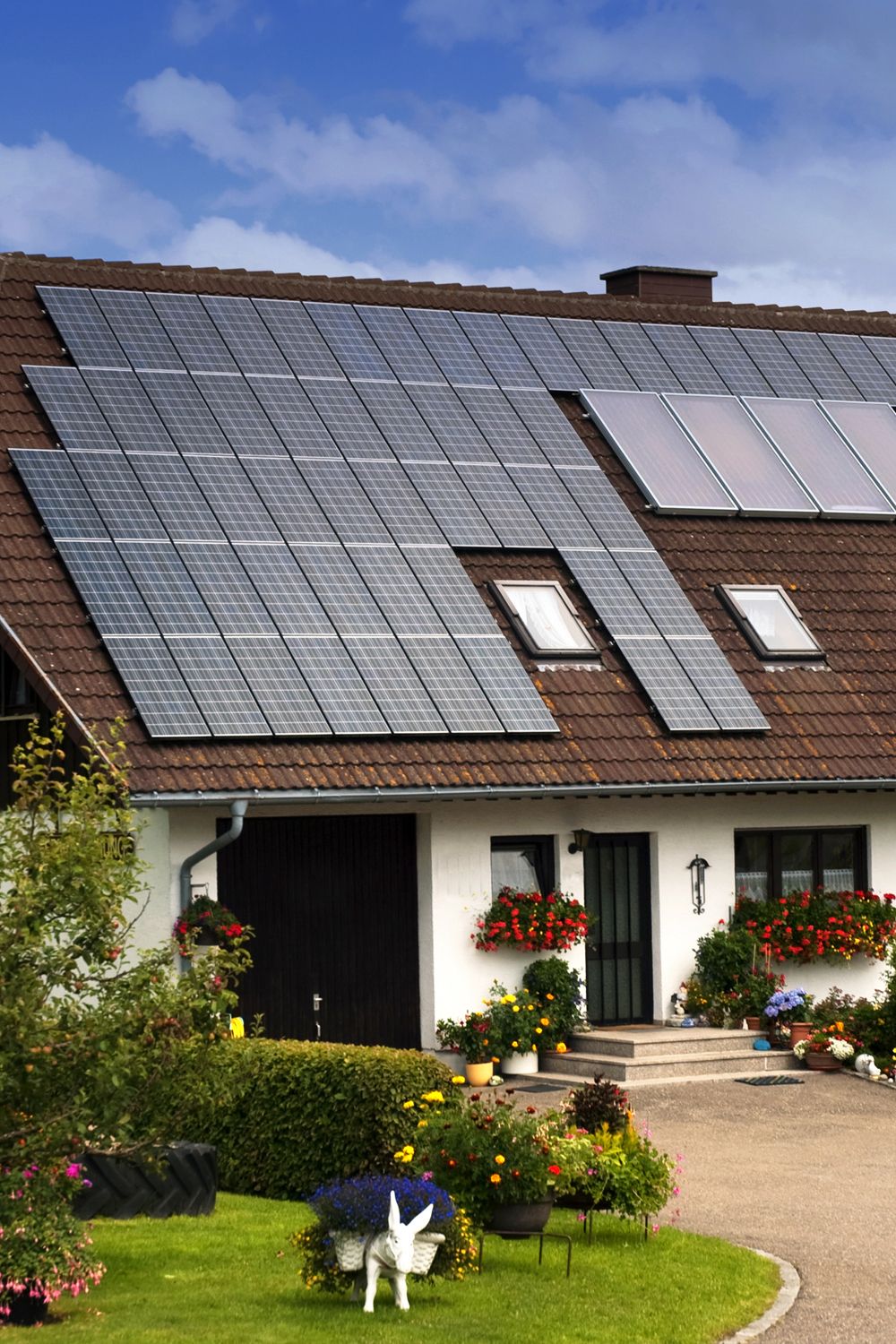
The integration of smart technology is a hallmark of modern eco homes. From automated lighting and climate control to energy monitoring and solar power systems, these homes leverage technology to optimize resource usage and enhance the living experience.
Passive and Active Energy Strategies
Modern eco homes employ a range of energy strategies. Passive design principles maximize natural heating, cooling, and lighting, while active systems like geothermal heating and solar panels harness renewable energy sources.

Eco-Friendly Materials
From recycled and repurposed materials to sustainably sourced wood and low-VOC paints, modern eco homes prioritize eco-friendly materials that minimize environmental impact and promote health.

Efficient Space Utilization
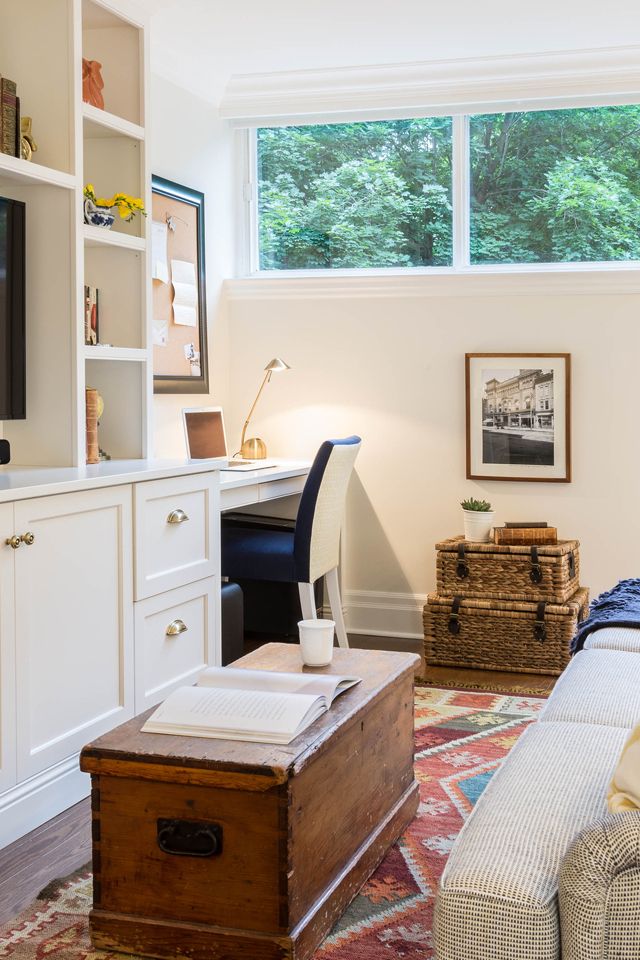
These homes are designed with thoughtful space utilization in mind. Open floor plans, multipurpose rooms, and compact designs optimize the use of every square foot, reducing wasted space and energy.
As we navigate an era of environmental challenges, modern eco homes stand as beacons of hope and innovation. Their evolution represents a collective effort to design a future that is not only aesthetically pleasing but also in harmony with the planet. Through intelligent design, advanced technologies, and a commitment to sustainable practices, these homes are shaping the way we live, inspiring us to be stewards of both our living spaces and the Earth itself.
Also, consult with reputable contractors or contact us here at Builder Boy. We can guide you through the decision-making process. We can provide valuable insights, offer recommendations, and help you select the what best suits your home and budget.
Frequently Asked Questions
What makes a modern eco home different from a traditional home?
Modern eco homes integrate advanced smart technologies, holistic sustainability practices, and high-performance energy strategies (both active and passive) to dramatically minimize their carbon footprint.
Are modern eco homes only about energy savings?
No. While energy efficiency is a major component, eco homes also prioritize water conservation, sustainable and non-toxic materials, efficient space utilization, and indoor air quality.
What are active versus passive energy strategies?
Passive design principles utilize natural orientation, lighting, and ventilation to heat and cool a home without mechanical help, whereas active systems rely on hardware like solar panels and geothermal heating.
Why are eco-friendly materials important?
Materials such as recycled components, sustainably sourced lumber, and low-VOC paints reduce environmental degradation during production and prevent toxic off-gassing indoors.
 Builder Boy
 Builder Boy
 Builder Boy
 Builder Boy
 Builder Boy
 Builder Boy
 Builder Boy
 Builder Boy