Key Takeaways
- Definition of Slope: Roof slopes (or pitch/incline) determine the steepness of a roof, serving both architectural character and crucial functional purposes.
- Structural & Functional Impact: The angle of a roof directly influences efficient water drainage, structural integrity, and the prevention of leaks or water damage.
- Diverse Styles: Different roof styles—such as classic gable and modern shed—serve distinct purposes, allowing homeowners to balance aesthetic preferences with functional needs.
- Climate Adaptation: Steeper slopes are especially beneficial for homes in heavy rainfall areas, ensuring rapid runoff and minimizing the risk of flooding.
When it comes to safeguarding your home against the elements, one key aspect that often goes overlooked is the roof slope. In this article, we’ll unravel the mysteries behind roof slopes and explore how they play a pivotal role in shaping the resilience and aesthetics of your living space.
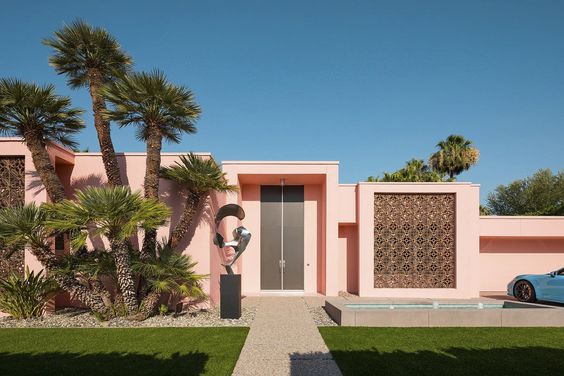
First and foremost, let’s delve into the basics. Roof slopes, often referred to as pitch or incline, determine the steepness of your roof. This critical architectural element not only adds character to your home but also serves a functional purpose.
Importance of Roof Slopes
Beyond the visual appeal, understanding the significance of roof slopes is crucial for homeowners. The angle of your roof impacts everything from drainage to structural integrity. A well-designed roof slope ensures efficient water runoff, preventing potential leaks and water damage.
Types of Roof Slopes
There’s no one-size-fits-all approach when it comes to roof slopes. From the classic gable to the modern shed, each style serves a unique purpose. Exploring the various types allows homeowners to make informed decisions based on both aesthetics and functionality.
Practical Considerations for Homeowners
As a homeowner, you might be wondering, “How does this information apply to me?” Well, fear not! We’re here to break down the practical aspects. For example, homes in areas prone to heavy rainfall may benefit from steeper slopes, ensuring swift water drainage and minimizing the risk of flooding.
In conclusion, the world of roof slopes is vast and varied, but understanding its nuances can make a world of difference for your home. Whether you’re planning a new construction or contemplating a roof renovation, considering the impact of roof slopes is a wise move.
If you found this article enlightening, be sure to check out our related blogs on home maintenance and architectural design. For a deeper dive into roofing trends, click How to Increase Property Value with Smart Upgrades. Your journey to a resilient and stylish home starts with informed decisions!
Frequently Asked Questions
What is a roof slope?
It is the steepness, pitch, or incline of a roof that dictates how water runs off and contributes to the home’s overall architectural style.
Why is roof slope important for home resilience?
A well-designed slope ensures efficient water runoff, which protects the home against potential leaks, structural water damage, and flooding.
How do I choose the right roof slope for my home?
Homeowners should consider regional climate factors (like heavy rainfall), architectural goals, and functionality when deciding between various styles like gable or shed roofs.
 Builder Boy
 Builder Boy
 Builder Boy
 Builder Boy
 Builder Boy
 Builder Boy
 Builder Boy