
Key Takeaways
- Native Plant Selection: Utilize resilient plants adapted to local soil and climate conditions to minimize water usage, reduce chemical dependencies, and naturally support local pollinators.
- Water Conservation & Xeriscaping: Implement water-efficient landscaping practices and drought-tolerant species to drastically lower overall outdoor water consumption.
- Permeable Hardscapes: Swap traditional concrete and asphalt for porous materials like gravel, permeable pavers, or porous concrete to improve rainwater infiltration and prevent soil erosion.
- Rainwater Harvesting: Install rain barrels or cisterns beneath roof runoffs to capture free water for irrigation and other non-potable outdoor purposes.
- Energy-Efficient Lighting: Switch to solar-powered fixtures and LED landscape lighting to cut down on nighttime electricity usage while improving yard security.
- Edible Landscaping: Integrate vegetable beds, herb gardens, and fruit trees directly into the layout to harvest organic produce and reduce your household’s agricultural carbon footprint.
As the world continues to prioritize sustainability and environmental consciousness, modern homeowners are seeking innovative ways to extend their eco-friendly lifestyle beyond the walls of their homes. One of the most impactful ways to achieve this is through sustainable landscaping. By creating outdoor spaces that harmonize with nature, conserve resources, and promote biodiversity, homeowners can contribute to a greener future while enhancing the beauty and functionality of their properties.
In this blog post, we’ll explore the principles and practices of landscaping for modern eco homes, showcasing how thoughtful design and conscientious choices can lead to a more sustainable and aesthetically pleasing outdoor environment.
Native Plant Selection
The foundation of a sustainable landscape begins with the careful selection of native plants. Native species are adapted to the local climate, soil conditions, and wildlife, making them more resilient and less dependent on excessive water, fertilizers, and pesticides. These plants promote biodiversity, attract native pollinators, and require minimal maintenance. Incorporating a variety of native plants in your outdoor space can create a visually appealing and ecologically sound environment.
Drought-Resistant Landscaping
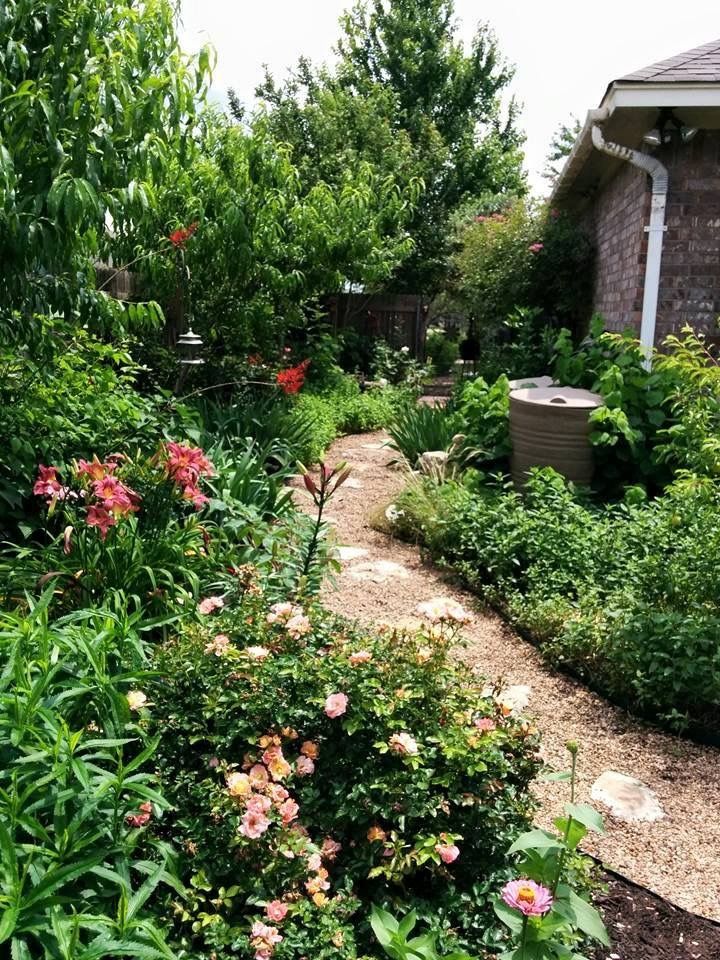
Water scarcity is a growing concern in many regions, making drought-resistant landscaping an essential component of outdoor sustainability. Xeriscaping, a landscaping technique that focuses on water conservation, involves using drought-tolerant plants, mulching, and efficient irrigation systems. By minimizing the need for regular watering, homeowners can significantly reduce water consumption and lower their environmental impact.
Permeable Hardscapes
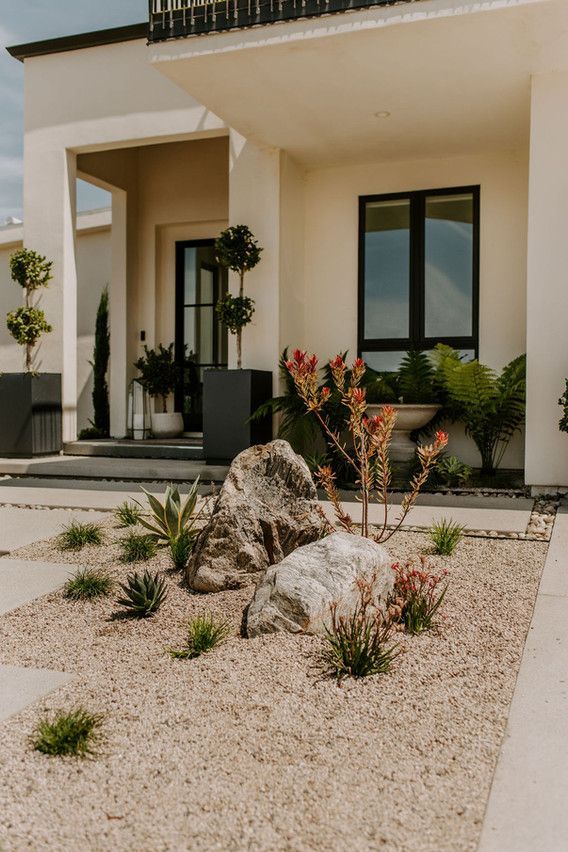
Traditional hardscapes, such as concrete and asphalt, contribute to water runoff and can lead to soil erosion and pollution of water bodies. Modern eco homes embrace permeable hardscape materials like permeable pavers, gravel, and porous concrete. These materials allow rainwater to infiltrate the soil, replenishing groundwater and reducing the risk of flooding. Moreover, permeable hardscapes contribute to a more visually appealing and natural aesthetic.
Rainwater Harvesting
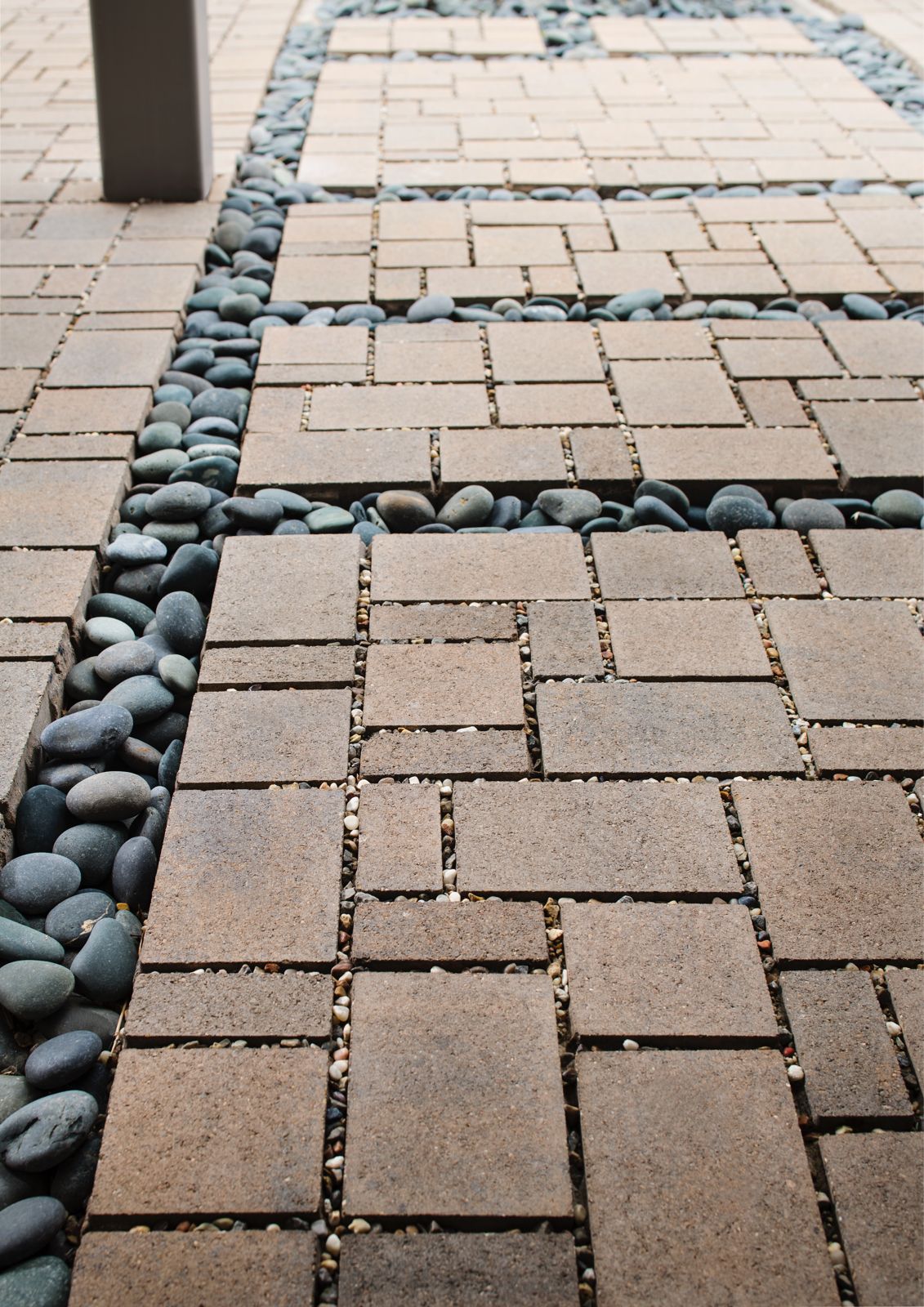
Capturing rainwater is a sustainable practice that provides an additional water source for outdoor use. Rain barrels or cisterns can collect rainwater from rooftops, which can then be used for watering plants, cleaning, and other non-potable purposes. By utilizing rainwater, homeowners can decrease their reliance on municipal water sources and conserve valuable freshwater resources.

Energy-Efficient Lighting
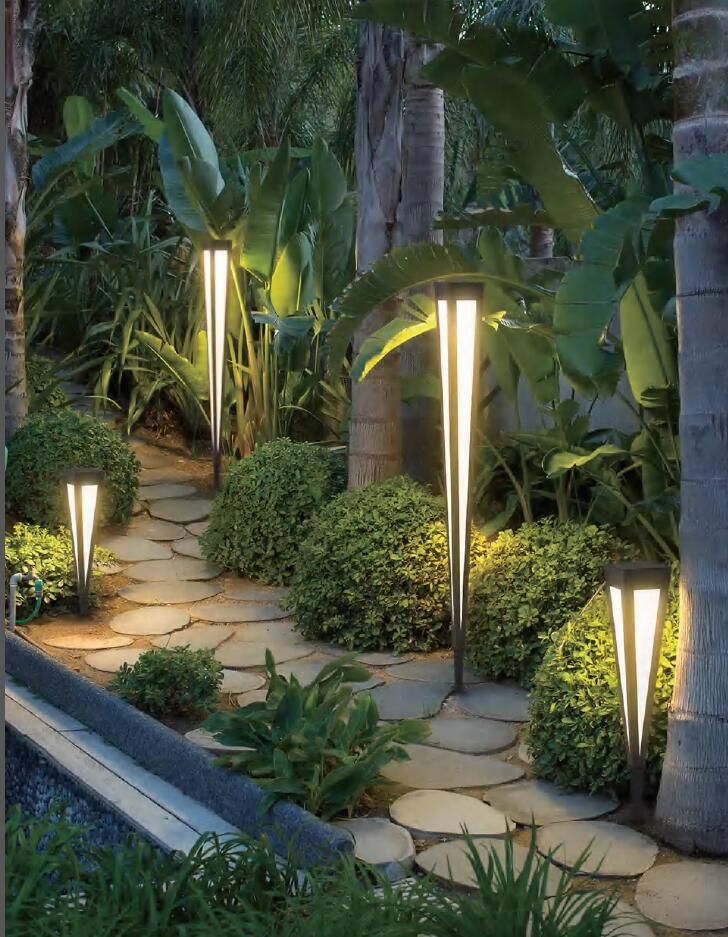
Strategically placed outdoor lighting can enhance the ambiance of your landscape while minimizing energy consumption. Opt for energy-efficient LED lights and solar-powered fixtures that automatically turn on at dusk and off at dawn. This not only reduces electricity usage but also contributes to a safer and more inviting outdoor space.
Edible Landscaping
Incorporating edible plants into your landscape is both sustainable and rewarding. Fruit trees, vegetable beds, and herb gardens can provide a source of fresh, organic produce while reducing the carbon footprint associated with commercial agriculture. Edible landscaping also encourages a stronger connection to nature and a greater appreciation for the food we consume.

Creating a sustainable outdoor space for your modern eco home is a fulfilling endeavor that aligns with your environmental values and enhances your living experience. By embracing native plants, water-efficient practices, permeable hardscapes, rainwater harvesting, energy-efficient lighting, and even edible landscaping, you can design an outdoor oasis that reflects your commitment to a greener future. Whether you have a sprawling yard or a compact urban space, every step you take towards outdoor sustainability contributes to a healthier planet and a more harmonious coexistence with nature.
Also, consult with reputable contractors or contact us here at Builder Boy. We can guide you through the decision-making process. We can provide valuable insights, offer recommendations, and help you select the what best suits your home and budget.
Frequently Asked Questions
What makes a landscape sustainable?
A sustainable landscape conserves natural resources like water, protects local ecosystems, uses native or drought-tolerant plants, minimizes chemical fertilizers, and incorporates eco-friendly materials such as permeable hardscapes.
Why should I choose native plants over exotic species?
Native plants are already adapted to local weather patterns and soil types, meaning they require significantly less water, maintenance, and pest control while providing essential habitats for local wildlife.
How can I reduce water usage in my yard besides hand-watering less?
You can implement xeriscaping principles, install efficient drip irrigation or rain sensors, use mulch to retain soil moisture, and set up a rainwater harvesting system using rain barrels.
What are permeable hardscapes and why are they important?
Permeable hardscapes use porous materials (like gravel, turf stones, or permeable pavers) instead of solid concrete or asphalt. They allow rainwater to filter directly into the ground, reducing stormwater runoff, local flooding, and water pollution.
Can I combine food production with aesthetic landscaping?
Yes. Edible landscaping seamlessly blends fruit trees, berry bushes, and raised vegetable beds into your overall garden design, providing fresh organic produce without sacrificing aesthetic appeal.
 Builder Boy
 Builder Boy
 Builder Boy
 Builder Boy
 Builder Boy
 Builder Boy
 Builder Boy
 Builder Boy