
- Assess and Prioritize: Begin any remodeling project by evaluating immediate structural or aesthetic needs and setting a realistic budget before committing to specific designs.
- Thorough Research: Gather design inspiration through platforms like Pinterest or Instagram, and vet local professionals, contractors, and interior designers thoroughly by reading reviews and reviewing past portfolios.
- Detailed Planning: Establish a comprehensive scope of work, timeline, and phase-by-phase goals to ensure the renovation runs smoothly and stays organized.
- Know When to Hire Experts: Delegate specialized tasks requiring licenses—such as electrical work, plumbing, and structural changes—to licensed professionals to prevent costly errors and protect property value.
- Build a Financial Buffer: Allocate contingency funds within your budget specifically for unforeseen issues that frequently arise during older or first-time home renovations.
- Prioritize Long-Term Value: Invest in energy-efficient appliances, insulation, and durable, timeless materials rather than chasing fleeting design trends.
Buying your first home is an exciting milestone, but it often comes with the realization that your dream home might need a little extra love to truly become the perfect space for you. Remodeling can seem like a daunting task, especially for first-time home buyers, but fear not!
In this guide, we’ll walk you through the essential steps to turn your new house into your dream home. From planning and budgeting to design inspiration and hiring the right professionals, we’ve got you covered.
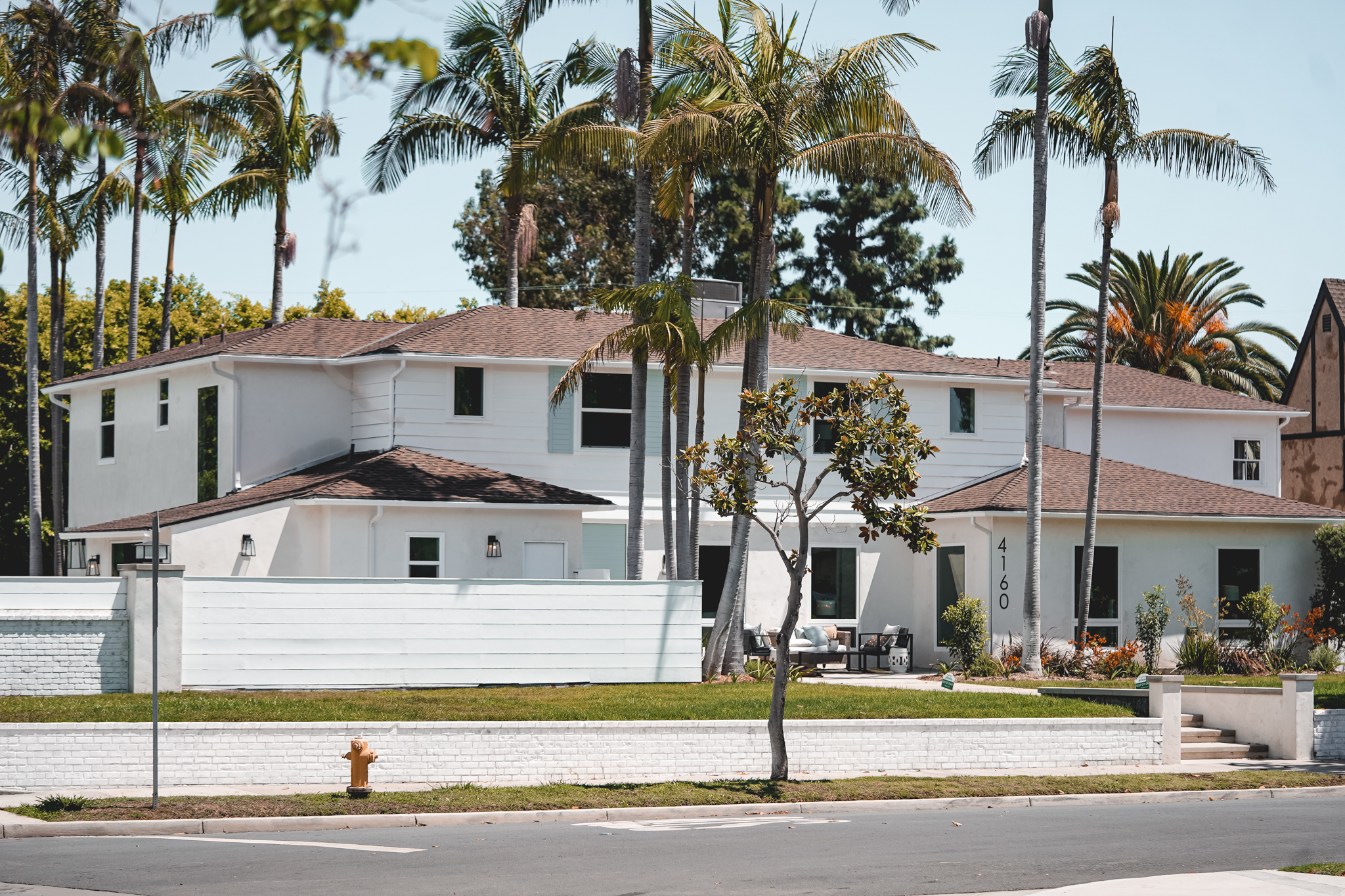
1. Assess Your Needs and Set a Budget
The first step in any successful remodeling project is to assess your needs and set a realistic budget. Consider what areas of your home need immediate attention and what changes would enhance your lifestyle. Whether it’s a kitchen upgrade, bathroom remodel, or creating a cozy outdoor space, prioritize your projects based on your requirements and budget accordingly.
2. Do Your Research
Before diving into any remodeling project, it’s crucial to do thorough research. Explore different design styles, materials, and trends to find inspiration for your home. Websites, magazines, and social media platforms like Pinterest and Instagram are excellent sources for ideas. Additionally, research reputable contractors, architects, and interior designers in your area. Reading reviews and checking their portfolios will help you make an informed decision.
3. Create a Detailed Plan
Once you have a clear vision of what you want, create a detailed remodeling plan. Outline the scope of work, create a timeline, and set specific goals for each phase of the project. A well-thought-out plan will help you stay organized and ensure that your remodeling process runs smoothly.
4. DIY vs. Hiring Professionals
While do-it-yourself projects can save you money, some tasks are best left to professionals, especially if you lack experience or specialized skills. Electrical work, plumbing, and structural changes are examples of projects that are better handled by licensed professionals. Be honest about your abilities, and don’t hesitate to hire experts when needed. Quality workmanship will add value to your home and prevent costly mistakes in the long run.
5. Budget Wisely
It’s easy for remodeling costs to spiral out of control if you’re not careful. Create a detailed budget that includes not only the cost of materials and labor but also contingency funds for unexpected expenses. It’s common for unforeseen issues to arise during remodeling, so having a financial buffer will help you navigate these challenges without derailing your project.
6. Focus on Energy Efficiency
Consider incorporating energy-efficient features into your remodel. Upgrading to energy-efficient appliances, installing LED lighting, and improving insulation can save you money on utility bills in the long term. Many governments also offer incentives and rebates for energy-efficient home improvements, so take advantage of these programs to reduce your overall costs.
7. Think Long-Term
When making design and material choices, think about the long-term durability and functionality of your home. Opt for high-quality, timeless materials that will stand the test of time. Trends come and go, so focus on creating a home that reflects your personal style and preferences rather than following fleeting design fads.

In conclusion, remodeling your first home can be a rewarding experience that transforms your new house into a comfortable and stylish sanctuary. By planning carefully, doing your research, and making wise investment choices, you can navigate the remodeling process successfully.
Remember, the key is to stay patient, stay within your budget, and enlist the help of professionals when needed like us here at Builder Boy, we will help you achieve your first remodeling project. With the right approach, your first home will soon become the dream home you’ve always imagined. Happy remodeling!
Check out The Best Home Remodeling Tips for First-Timers in Orange County for a more successful home remodeling as a first-time homeowners.
Frequently Asked Questions
How should I prioritize my first home remodeling projects?
Prioritize projects based on immediate functional necessities, safety concerns, and areas that will most significantly enhance your daily lifestyle and long-term home value.
When is it necessary to hire a professional contractor instead of doing a DIY project?
Any task involving major structural alterations, plumbing, or electrical work should be handled by licensed professionals to ensure safety and compliance with local building codes.
Why is a contingency fund important for a remodel?
Unforeseen complications (such as hidden water damage or outdated wiring) frequently appear once walls are opened up, making a financial buffer essential to prevent budget derailment.
How can I make my home renovation more energy-efficient?
Incorporate upgrades such as LED lighting, high-efficiency appliances, and improved home insulation to significantly reduce long-term utility expenses.
 Builder Boy
 Builder Boy
 Builder Boy
 Builder Boy
 Builder Boy
 Builder Boy
 Builder Boy
 Builder Boy