
Key Takeaways
- Planning & Wall Selection: Assess space and lighting conditions before starting; south- or west-facing walls suit sun-loving plants, while north-facing walls work best for shade-tolerant varieties.
- Plant Variety: Choose adaptable indoor species such as succulents, ferns, ivy, spider plants, pothos, and peace lilies.
- Installation & Systems: Use modular planters or wall-mounted containers for easy setup, combined with lightweight, well-draining soil mix.
- Watering & Irrigation: Implement efficient watering methods like drip irrigation or hydroponic systems to keep plants hydrated without water damage.
- Ongoing Care: Regularly inspect for pests, prune to prevent overcrowding, and maintain a consistent watering schedule tailored to your plant selection.
In recent years, the concept of bringing nature indoors has gained immense popularity, and one of the most captivating ways to achieve this is through a living wall. Also known as green walls or vertical gardens, living walls offer an innovative and refreshing approach to home decor, bringing the beauty of nature right into your living space.
In this article, we’ll explore the steps to create a stunning living wall in your home, transforming a blank wall into a flourishing, green oasis.
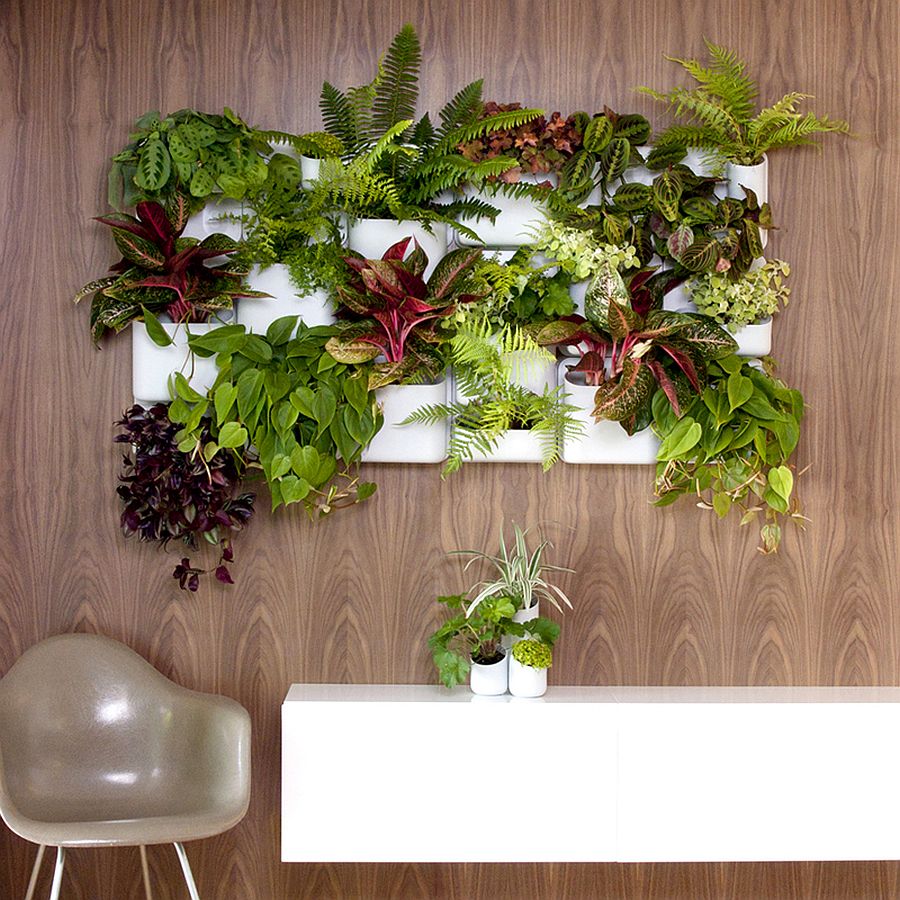
Step 1: Planning and Design
Before you start assembling your living wall, it’s crucial to plan and design the layout.
Consider the available space, lighting conditions, and the types of plants you’d like to include.
As well as, take inspiration from existing living wall designs or create a unique layout that suits your preferences.
Step 2: Choose the Right Wall
Specifically, selecting the right wall is key to its success.
Ensure the wall is structurally sound, able to handle the weight of the living wall components, and has access to water sources.
South-facing or west-facing walls typically receive more sunlight, making them ideal for sun-loving plants, while north-facing walls are better suited for shade-loving varieties.
Step 3: Selecting Plants
To point out, the choice of plants is a critical aspect.
Consider the lighting conditions in your chosen location and opt for plants that can thrive in that environment.
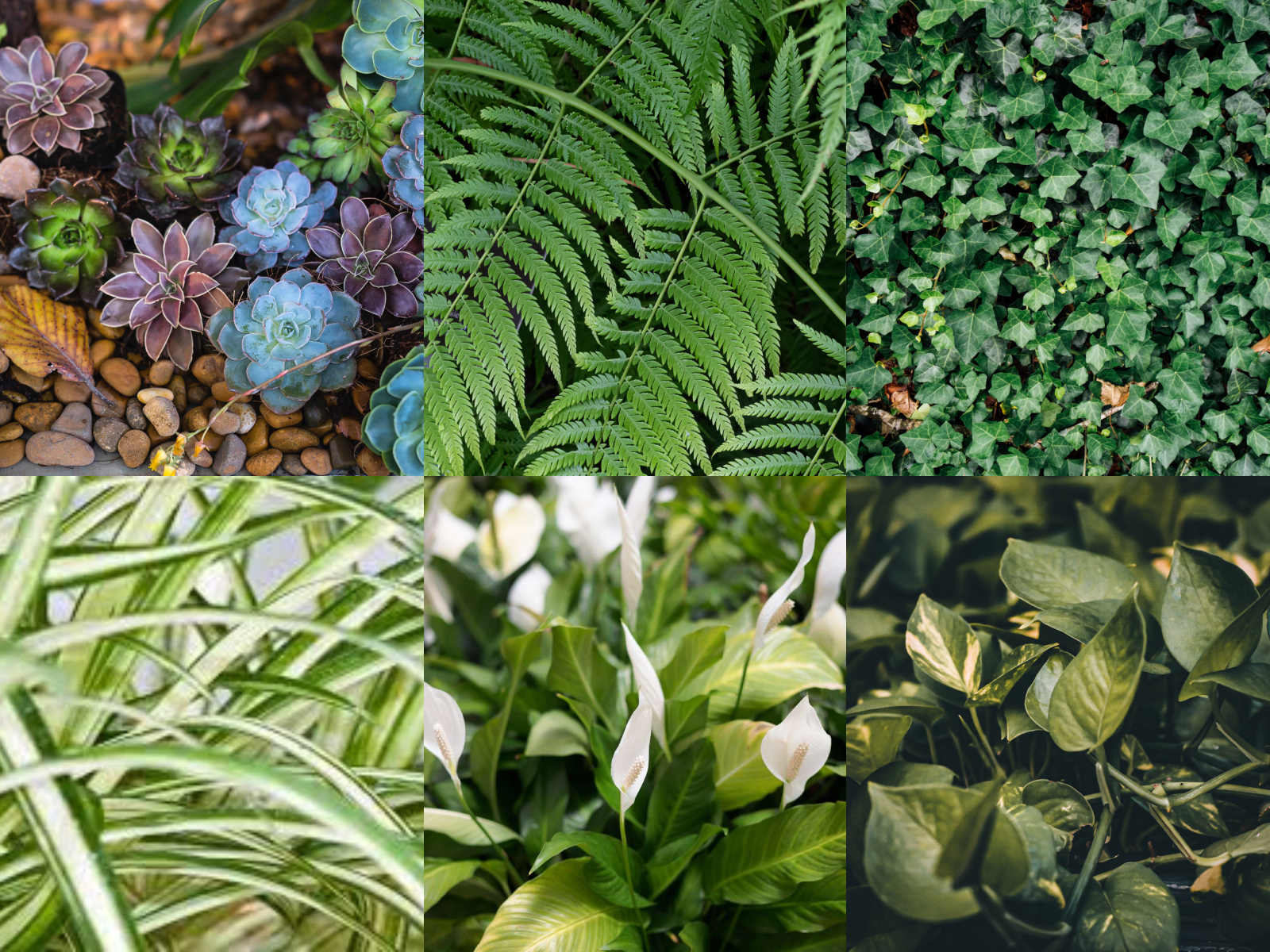
Succulents, ferns, ivy, spider plants, pothos, and peace lilies are popular choices for indoor living walls due to their adaptability and aesthetic appeal.
Step 4: Installation
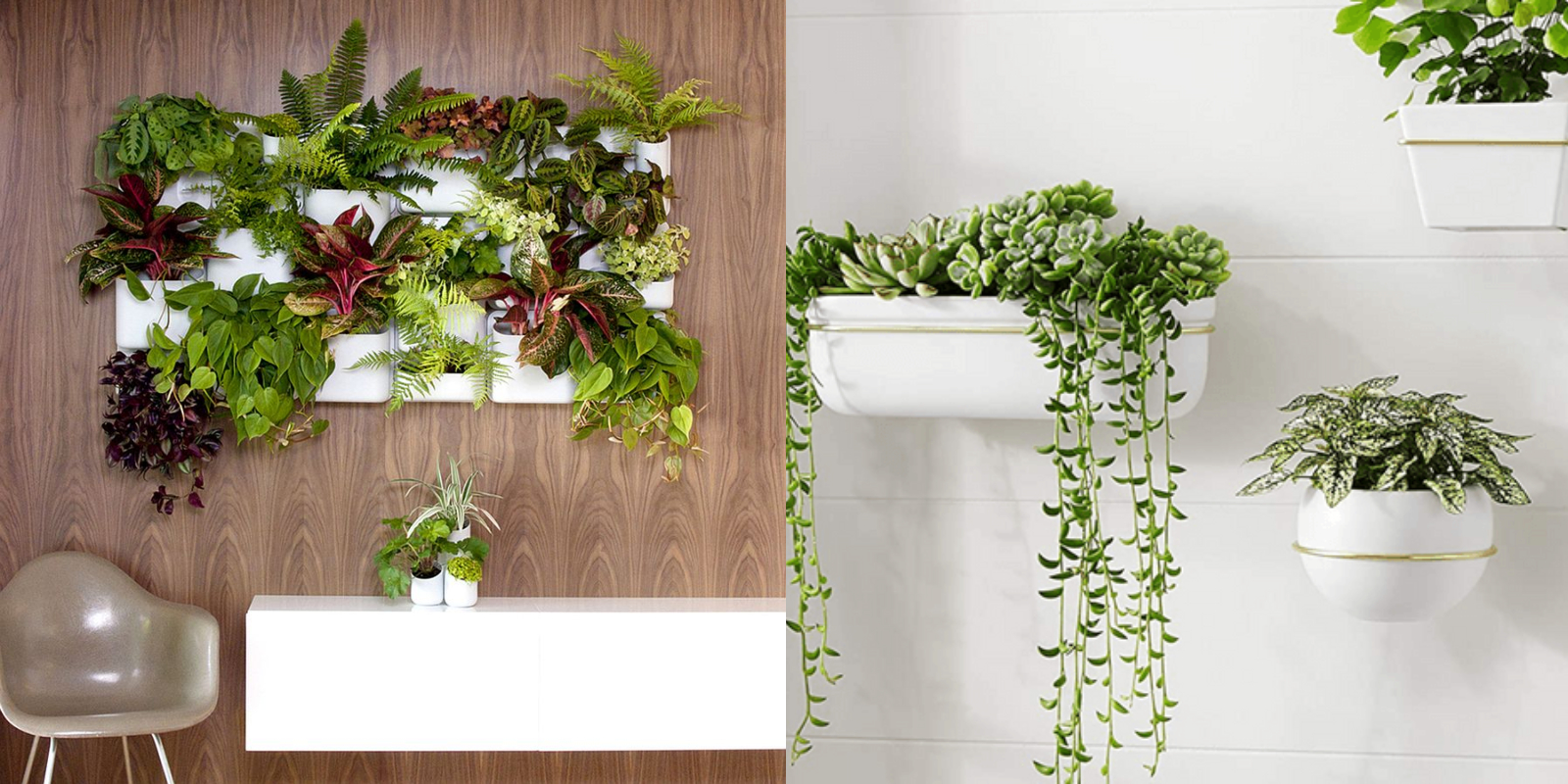
Basically, there are various methods for creating a living wall, but one of the most common approaches is using modular planters or wall-mounted containers. These systems provide easy installation and maintenance.
Alternatively, you can build a custom framework to hold potted plants or even utilize recycled materials like pallets for a rustic touch.
Step 5: Soil and Irrigation
In fact, choosing the right soil mix is vital for the well-being of your plants.
Use a lightweight, well-draining potting mix with the necessary nutrients to promote healthy growth.
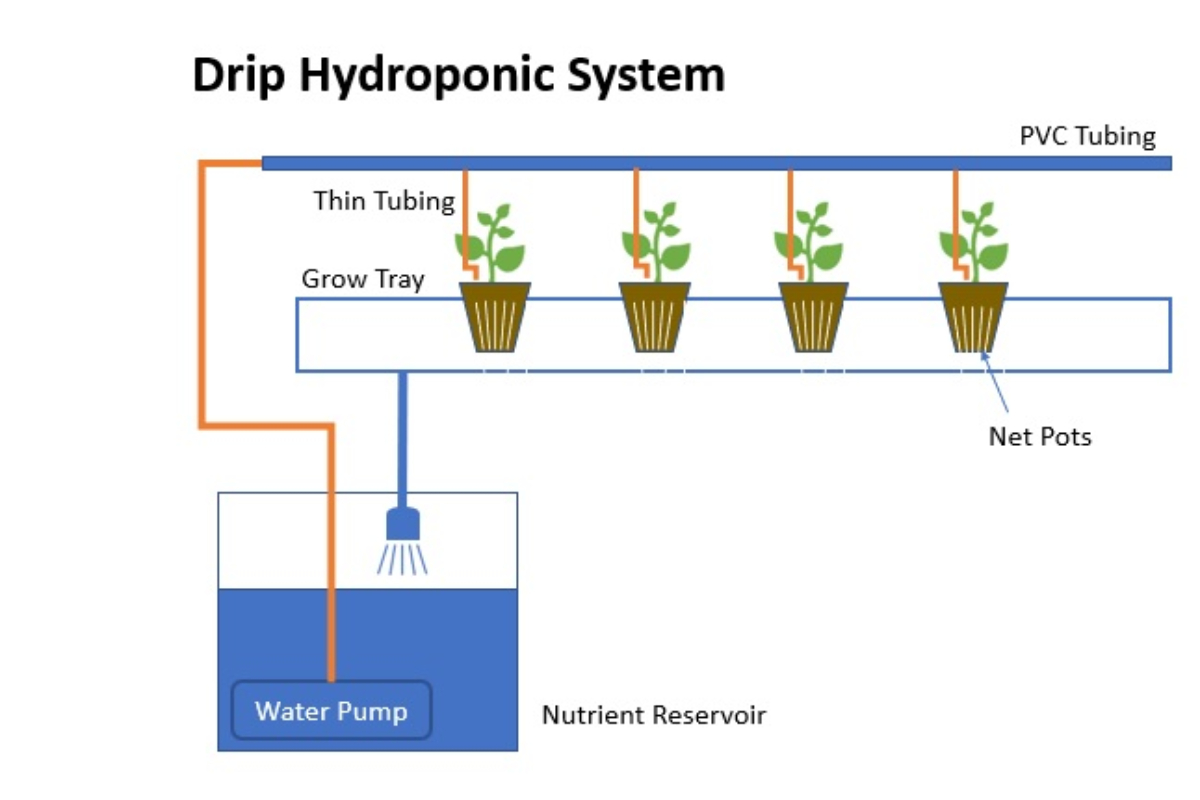
Additionally, set up an efficient irrigation system to ensure your living wall receives the right amount of water without creating a mess.
Drip irrigation or hydroponic systems are excellent options for living walls.
Step 6: Maintenance
Of course, maintaining a living wall requires consistent care.
Regularly inspect your plants for signs of pests or diseases, and promptly address any issues.
Prune and trim plants as needed to prevent overcrowding and ensure a neat appearance.
Also, be sure to follow a watering schedule based on the specific needs of your plant selection.
Step 7: Enhancing Aesthetics
Another, to make your living wall truly captivating, consider adding a few decorative elements.
Hang small planters with colorful flowers, incorporate small sculptures or hanging ornaments, or add LED lighting to highlight the beauty of your green oasis, especially during the evenings.
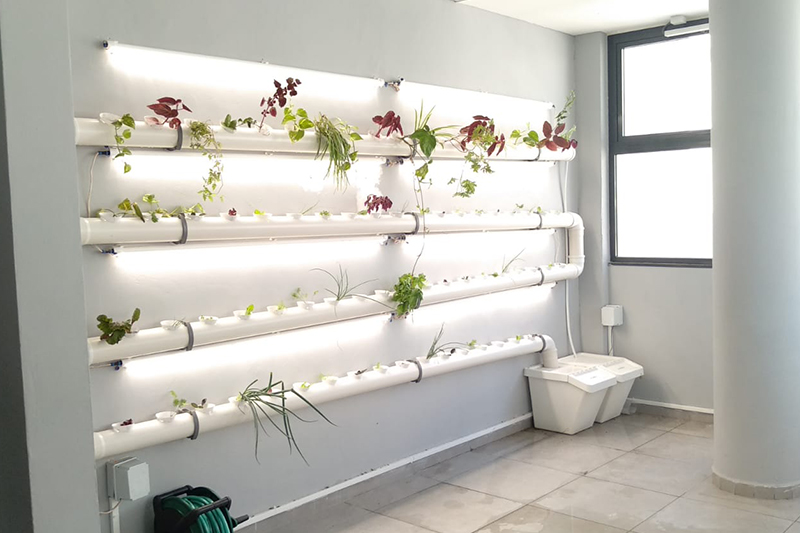
Step 8: Enjoy Your Green Oasis
Most important, with proper care and attention, your living wall will flourish, providing a refreshing and calming atmosphere in your home.
Embrace the connection with nature it offers, and take pleasure in the numerous benefits it brings, such as improved air quality, reduced stress, and increased overall well-being.
Conclusion
Creating a living wall in your home is an exciting and rewarding venture that allows you to blend the beauty of the outdoors with the comfort of indoor living. Through careful planning, proper plant selection, and consistent maintenance, you can turn an ordinary wall into a vibrant and enchanting green oasis.
So, unleash your creativity, embrace the joy of gardening indoors, and watch your living wall thrive as a living testament to the harmonious union of nature and modern living.
Check out 10 Must-Have Features of an Eco-Friendly Home for more sustainability ideas.
Frequently Asked Questions
What are the best plants for an indoor living wall?
Popular and resilient choices include succulents, ferns, ivy, spider plants, pothos, and peace lilies due to their adaptability and aesthetic appeal.
What type of watering system works best?
Drip irrigation systems and hydroponic setups are excellent options because they deliver precise amounts of water efficiently.
How do I choose the right wall location?
Select a structurally sound wall with access to a water source and appropriate sunlight—south- and west-facing for sun exposure, or north-facing for shade.
What are the main benefits of a living wall?
They bring a refreshing natural aesthetic indoors, improve indoor air quality, reduce stress, and enhance overall well-being.
 Builder Boy
 Builder Boy
 Builder Boy
 Builder Boy
 Builder Boy
 Builder Boy
 Builder Boy