
Key Takeaways
- Measure and Evaluate First: Assess room dimensions, layout quirks, and available space before browsing catalogs to ensure proper fit and functionality.
- Define Your Style and Budget: Establish a clear design direction (e.g., minimalist, vintage, eclectic) and set a budget prioritizing statement pieces versus functional items.
- Prioritize Quality and Comfort: Inspect materials, construction durability, and physical comfort for long-term satisfaction and everyday use.
- Balance Textures, Trends, and Sustainability: Elevate aesthetics by mixing materials (leather, wood, fabric), incorporating fresh accents alongside timeless bases, and considering eco-friendly options.
Whether you’re revamping your home or just adding a touch of newness, choosing the right furniture can be a game-changer. Our step-by-step guide will make the process a breeze, ensuring your space reflects your style and functionality needs.
Step 1: Assess Your Space
Before you start scrolling through endless furniture catalogs, take a good look at your space. Measure the dimensions, consider the layout, and identify any architectural quirks that might influence your choices. This groundwork ensures that the pieces you pick not only look good but fit perfectly.
Step 2: Define Your Style
Are you a minimalist aficionado, a vintage lover, or perhaps a fan of the eclectic mix? Defining your style helps narrow down the overwhelming array of options. Don’t be afraid to mix and match styles, but maintaining a cohesive theme adds a polished touch to your space.
Step 3: Budget Wisely
Furniture shopping can be exciting, but it’s crucial to set a budget to avoid impulse buys. Identify your priorities—splurge on a statement piece for the living room and save on functional items. This way, you achieve the perfect balance of style and financial sanity.
Step 4: Quality Matters
Investing in quality furniture is like planting seeds for a lasting relationship with your living space. Check materials, construction, and durability. Solid wood pieces may cost more upfront, but they often outlast cheaper alternatives, saving you money in the long run.
Step 5: Consider Comfort
Your furniture should not only look good but feel good too. Test sofas and chairs for comfort. After all, what’s the point of a stylish couch if you can’t relax on it for more than a few minutes?
Step 6: Mix Textures and Colors
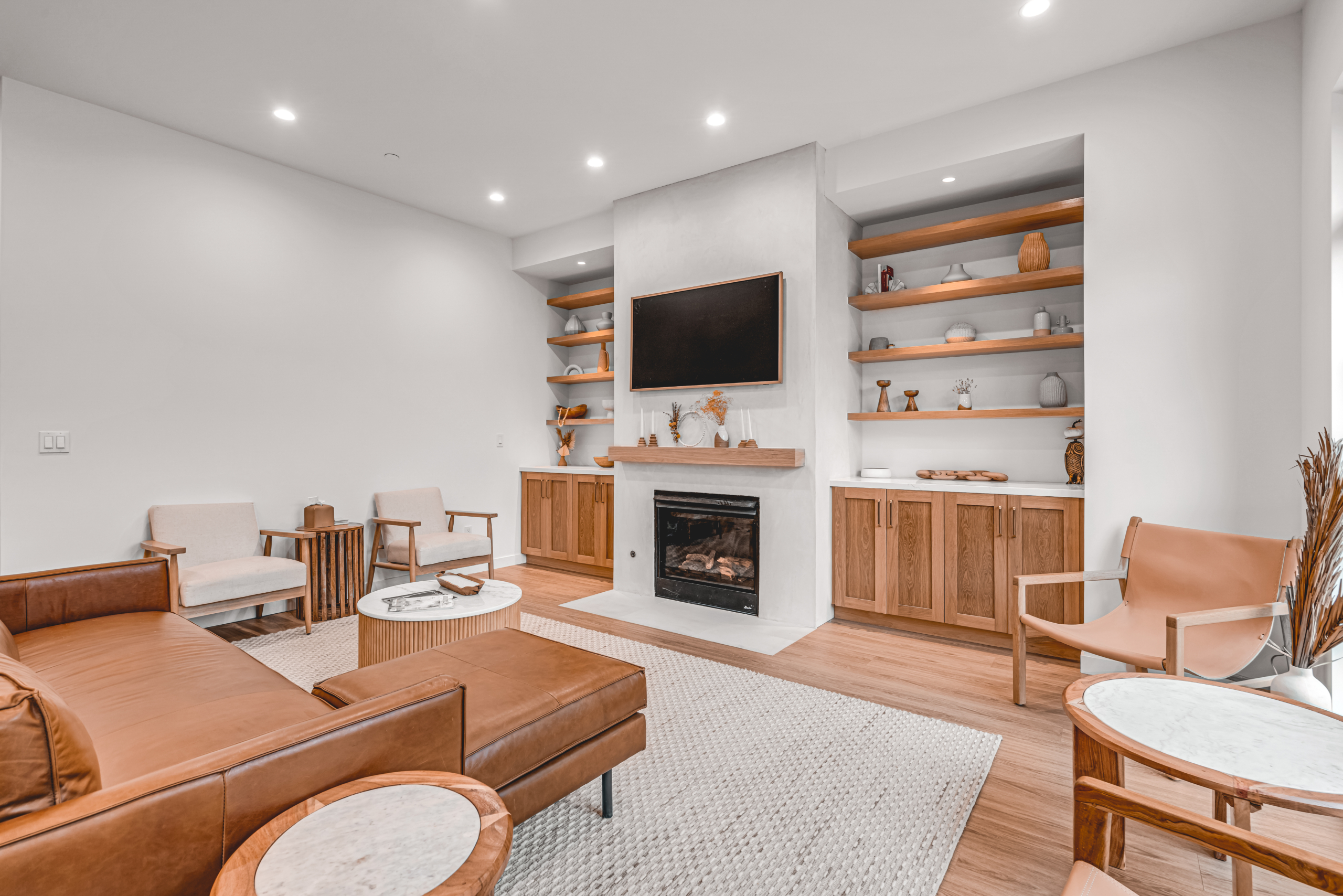
Inject life into your space by playing with textures and colors. Don’t be afraid to experiment—mixing materials like leather, fabric, and wood can elevate the aesthetic. Consider the color palette of your room and choose furniture that complements or contrasts for a visually appealing result.
Step 7: Research Trends
While trends come and go, incorporating a few current elements can keep your space feeling fresh. Explore the latest in furniture design, but be mindful not to go overboard. A timeless base with trendy accents strikes the perfect balance.
Step 8: Sustainability Matters
In an era of conscious living, consider eco-friendly and sustainable furniture options. Many brands now prioritize environmentally friendly materials and ethical production practices. Your choices can make a positive impact on both your space and the planet.
Step 9: Finalize and Personalize
Once you’ve made your selections, visualize the arrangement in your space. Tweak as needed, and don’t forget to add personal touches—whether it’s custom cushions, unique decor, or a favorite throw blanket.
Frequently Asked Questions
How do I begin choosing furniture for a room?
Start by measuring your space and defining your room layout. This foundational step prevents overcrowding and ensures your pieces fit harmoniously.
Should I follow trends when buying furniture?
Incorporate trends sparingly through accents or decor while keeping your core furniture pieces timeless. This ensures your space stays fresh without feeling outdated quickly.
Why is furniture quality important?
Investing in durable, well-constructed materials like solid wood saves money over time by reducing the need for premature replacements.
How can I mix different furniture styles successfully?
Maintain a cohesive color palette or a unified baseline theme to tie contrasting styles—such as modern and vintage pieces—together smoothly.
 Builder Boy
 Builder Boy
 Builder Boy
 Builder Boy
 Builder Boy
 Builder Boy
 Builder Boy
 Builder Boy