
Key Takeaways
- Gable Roof: Features two sloping sides meeting at a ridge to form a triangle; provides great ventilation, easy water drainage, and ample attic space.
- Hip Roof: Slopes on all four sides meeting at a top ridge, offering high stability, durability, and strong resistance to high winds.
- Mansard Roof: Utilizes a French-inspired double-sloped design where the lower slope is steeper, creating extra attic or living space.
- Flat Roof: Features a minimal slope for drainage, common in contemporary architecture and ideal for rooftop gardens or solar panels.
- Gambrel Roof: Resembles a barn roof with two slopes on each side, lending a rustic or colonial farmhouse aesthetic with ample attic storage.
- Butterfly Roof: Forms a distinct V-shape with upward-facing slopes, maximizing natural light and enabling easy rainwater collection for eco-friendly homes.
- Selection Factors: Choosing a style depends heavily on local climate, architectural compatibility, durability and maintenance requirements, and overall budget.
Your home’s roof is not only a protective shield against the elements but also a significant design element that contributes to the overall aesthetic appeal. The right roofing style can enhance the beauty and charm of your home while providing durability and functionality. With a plethora of roof styles available, choosing the perfect look for your home can be an exciting yet challenging task.
In this article, we will explore these six popular roof styles and factors to consider when making your selection. Let’s dive into these roof styles and find the ideal roofing style for your home!
1. Gable Roof Style
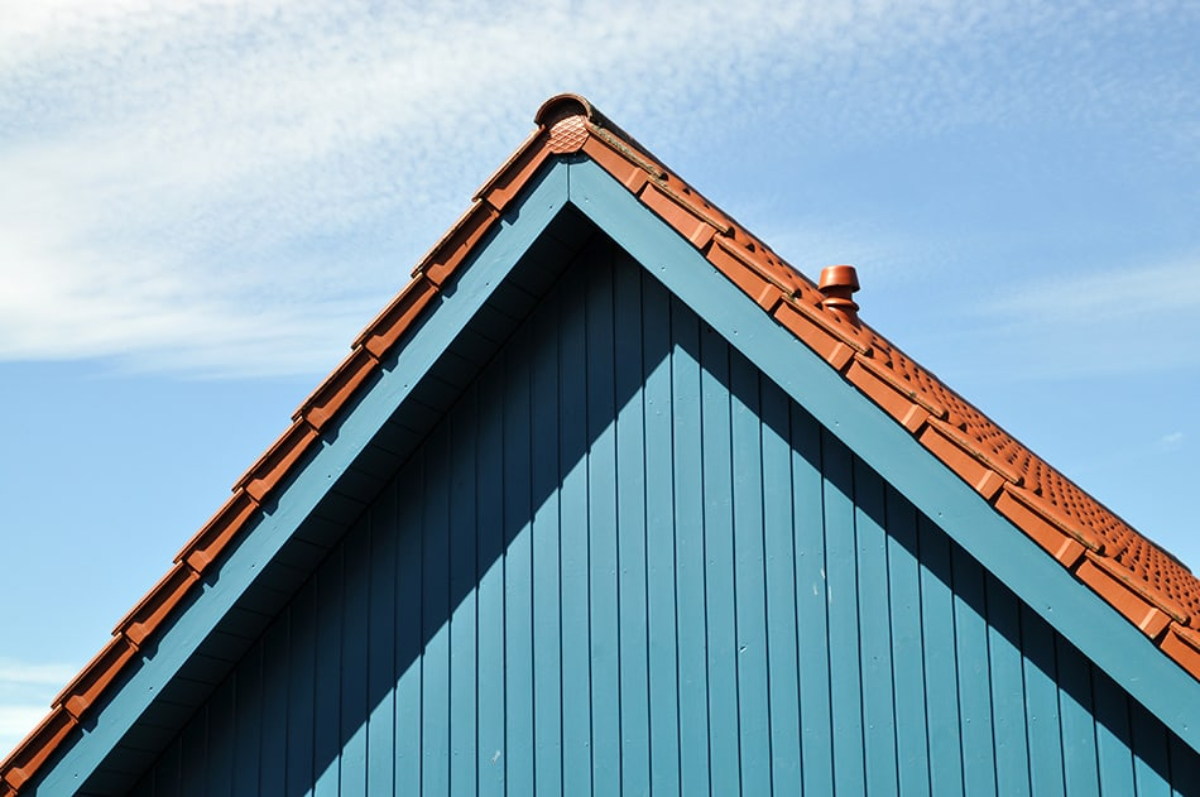
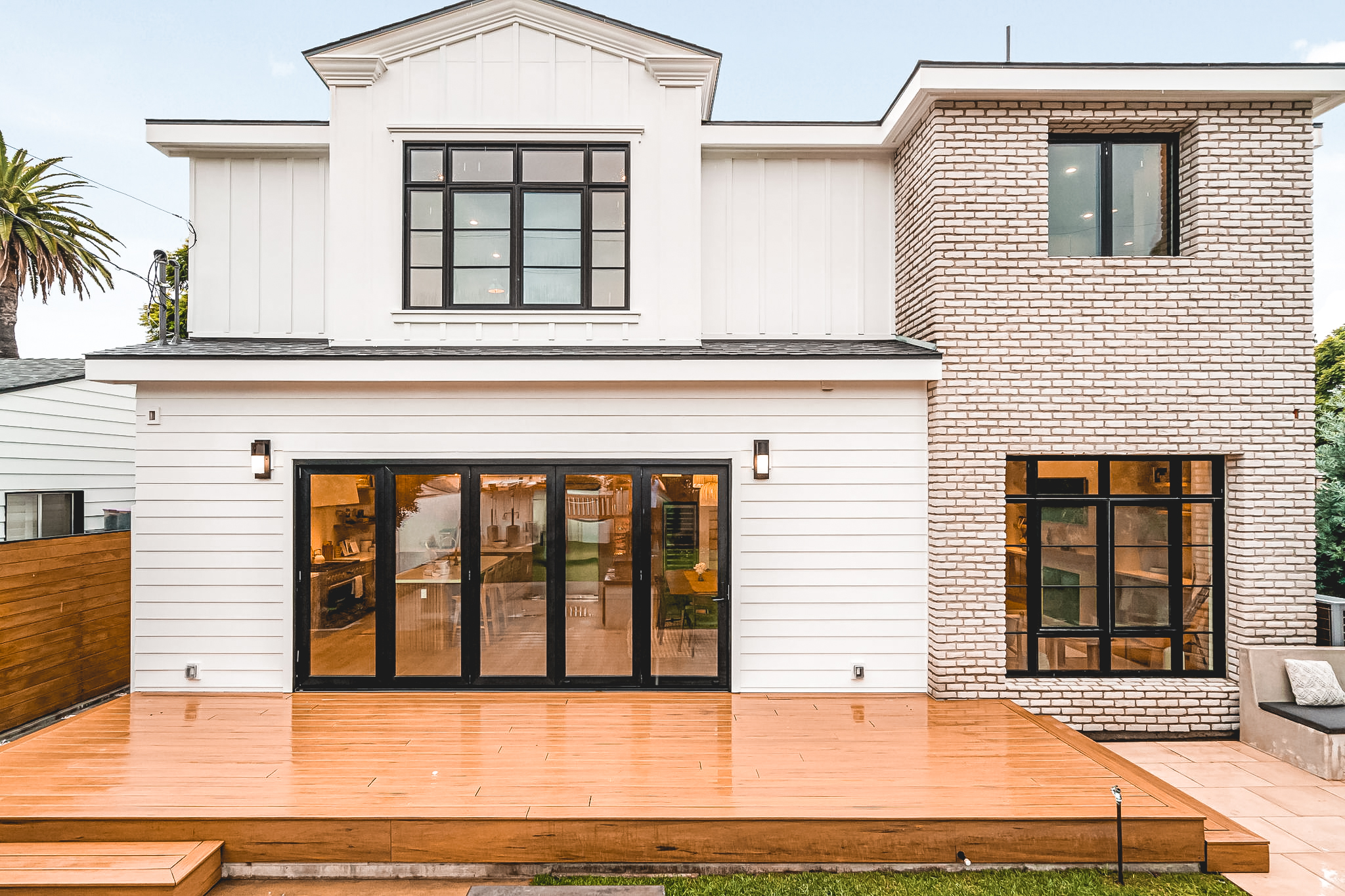
The gable roof, also known as a peaked or pitched roof, is one of the most common and versatile roofing styles. It features two sloping sides that meet at a ridge, forming a triangular shape. These roofs provide excellent ventilation, ample attic space, and easy water drainage. They suit various architectural designs, making them a popular choice for many homeowners.
2. Hip Roof Style
Hip roofs have slopes on all four sides that come together at the top to form a ridge. This roofing style offers stability, durability, and increased resistance to strong winds. These roofs are suitable for both traditional and modern homes, adding a touch of elegance and uniqueness to the overall architectural design.

3. Mansard Roof Style
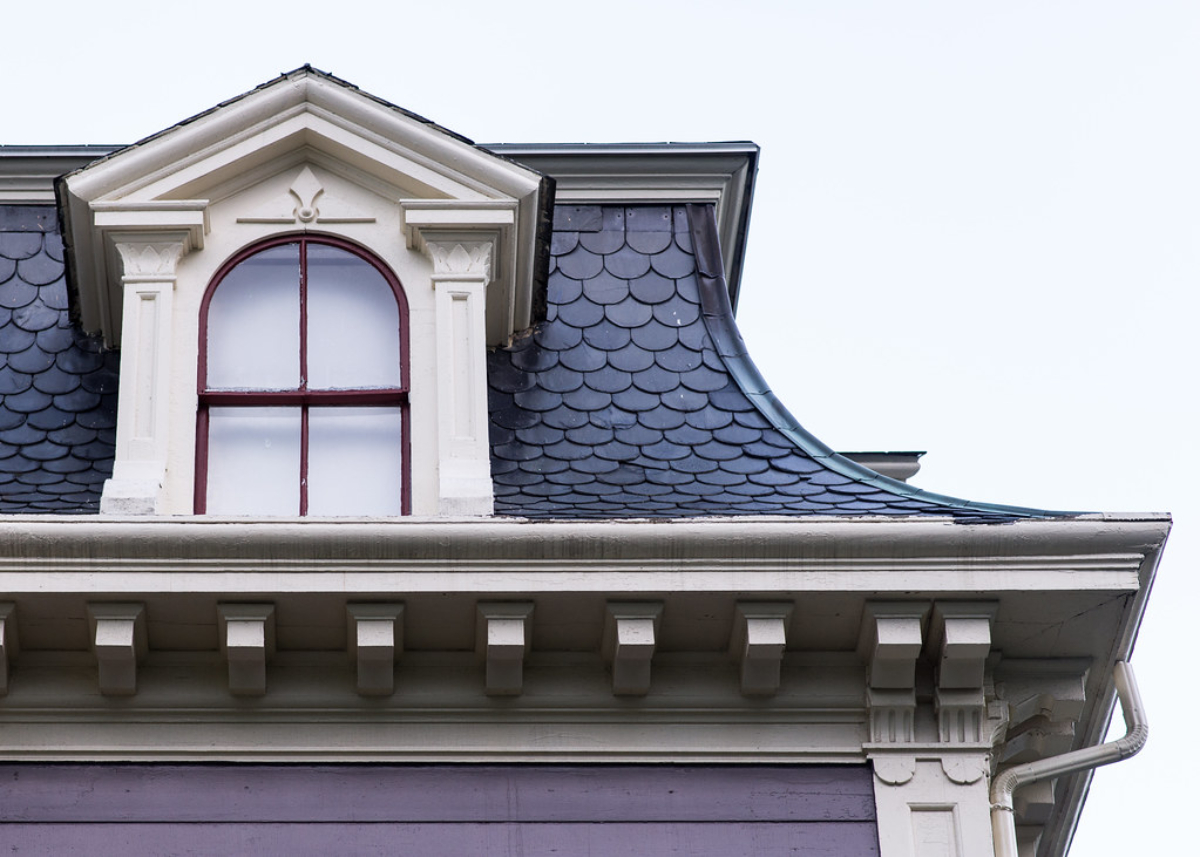
Mansard roofs, commonly associated with French architecture, are characterized by their double-sloped design. The lower slope is steeper than the upper slope, creating an extra living space or an attic. These roofs are visually striking and can give your home a touch of sophistication and charm.
4. Flat Roof Style
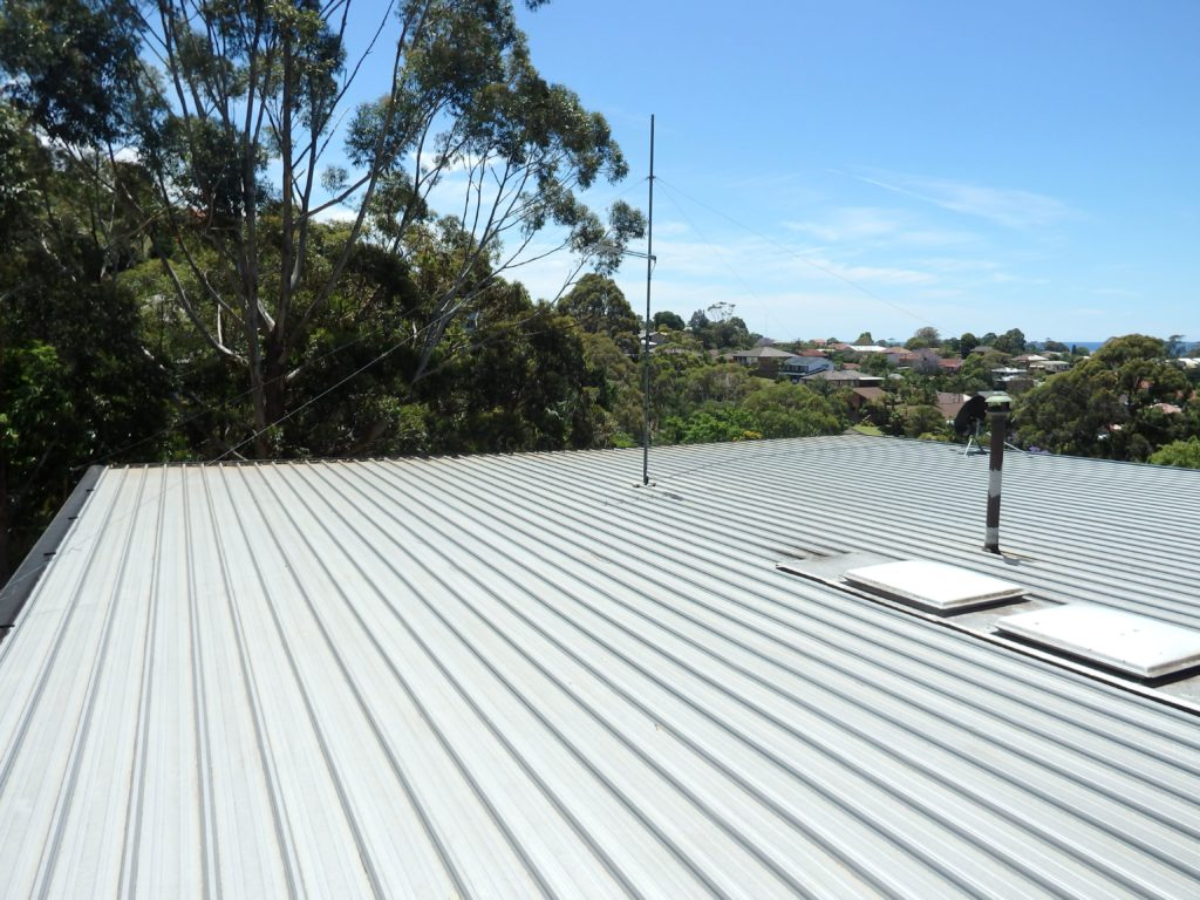
Flat roofs have a minimalistic and modern appeal. While not entirely flat, they have a very slight slope for water drainage. These roofs are popular in contemporary architecture and provide a versatile space that can be utilized for rooftop gardens, solar panel installation, or outdoor living areas.
5. Gambrel Roof Style
Gambrel roofs resemble a barn’s roof, featuring two slopes on each side, with the lower slope being steeper than the upper one. This style is commonly associated with colonial and Dutch architectural influences. These roofs offer ample attic space and can create a cozy, rustic, or farmhouse aesthetic for your home.

6. Butterfly Roof Style
Butterfly roofs are a unique and unconventional roofing style that creates a V-shaped design with upward-facing slopes. The distinctive shape allows for increased natural light and facilitates rainwater collection. These roofs are a popular choice for eco-friendly and contemporary homes.

Factors to Consider for Your Roof Style Selection
When choosing the perfect roofing style for your home, several factors should be taken into account:
a. Climate: Consider the climate in your area, including rainfall, snowfall, wind intensity, and temperature variations. Certain roofing styles may be more suitable for specific weather conditions.
b. Architectural Compatibility: Ensure that the roofing style you choose complements the architectural design and style of your home. Harmonizing the roof with the overall aesthetic can greatly enhance the visual appeal.
c. Durability and Maintenance: Evaluate the durability and maintenance requirements of each roofing style. Some styles may require more frequent inspections and repairs than others.
d. Budget: Set a realistic budget and consider the cost of materials, installation, and long-term maintenance when selecting a roofing style.
As a final point, selecting the perfect roofing style for your home involves careful consideration of various factors such as climate, architectural compatibility, durability, and budget. Whether you prefer a traditional, modern, or unique look, there is a wide array of roofing styles to choose from. By understanding the distinctive features of each style and evaluating your specific requirements, you can make an informed decision and find the roofing style that not only enhances the beauty of your home but also provides protection for your home.
Also, consult with reputable roofing contractors or contact us here at Builder Boy, we can also do all the roof styles mentioned in this article. We can guide you through the decision-making process. We can provide valuable insights, offer recommendations, and help you select the roofing style that best suits your home and budget.
If you liked this article, you might also want to check out A Quick Guide to The Different Types of Windows for more inspiration.
Frequently Asked Questions
Which roof style is best for high-wind areas?
Hip roofs are exceptionally durable and resistant to strong winds due to their four-sided sloping design.
What are the advantages of a gable roof?
Gable roofs offer excellent ventilation, straightforward water runoff, and extra space underneath for an attic.
Which styles provide extra living or attic space?
Mansard roofs and Gambrel roofs both use double-sloped designs specifically built to maximize interior headroom and upper-level space.
Are flat roofs completely level?
No, flat roofs feature a very slight slope intentionally designed to facilitate proper water drainage.
What factors should I consider before choosing a roof?
Homeowners should weigh local climate conditions, architectural compatibility with the rest of the house, ongoing maintenance needs, and budget constraints.
 Builder Boy
 Builder Boy
 Builder Boy
 Builder Boy
 Builder Boy
 Builder Boy
 Builder Boy, LLC
 Builder Boy