
Key Takeaways
- Prioritize Safety First: Always verify weather conditions and use proper safety gear (sturdy ladder, non-slip shoes, safety harness) or hire a professional if you are uncomfortable with heights.
- Conduct Ground-Level Exterior Checks: Inspect the roof from the ground first to spot visible shingle damage (missing, cracked, or curled), flashing integrity around vents and skylights, and moss or debris accumulation.
- Inspect Gutters and Drainage: Clear out clogs and ensure gutters are firmly secured to prevent water pooling and subsequent roof leaks.
- Check the Roof Deck: Look for visible sagging, rot, or water damage if the deck is accessible to protect the structural integrity of the roofing system.
- Examine the Interior Attic: Venture into the attic space to check for water stains, active mold, proper insulation, and adequate ventilation to mitigate moisture buildup.
- Review Specific Penetrations: Pay close attention to high-risk areas like Chimney and Vents and Skylights for loose flashing, cracked glass, or compromised seals.
A well-maintained roof is crucial for the protection and longevity of any property. Regular roof inspections are essential to identify potential issues early on and prevent costly damage down the line. This comprehensive roof inspection checklist outlines the essential steps to ensure a healthy roof that withstands the elements and provides a safe shelter for your home or building.
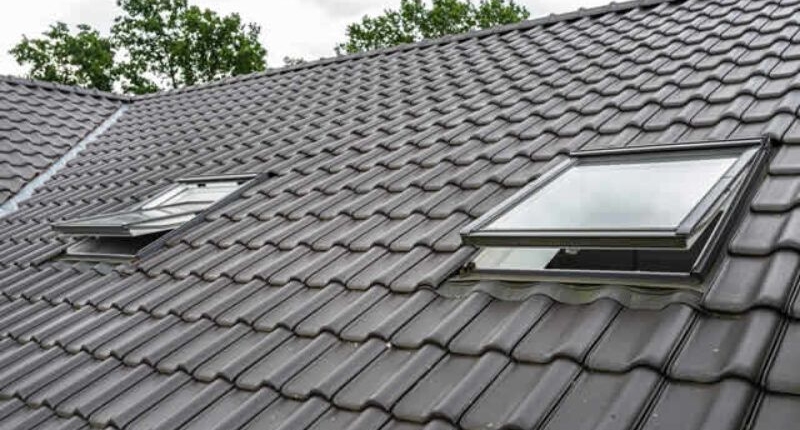
Before starting any roof inspection, prioritize safety. Ensure you have the necessary safety equipment, such as a sturdy ladder, non-slip shoes, and a safety harness. Check the weather forecast to avoid inspecting the roof during adverse conditions. If you are not comfortable with heights or unsure about roof inspection, consider hiring a professional roofing contractor.
Safety Precautions

Begin the inspection from the ground level, examining the roof’s exterior. Look for visible signs of damage, such as missing, cracked, or curled shingles. Inspect the flashing around vents, chimneys, and skylights to ensure it is secure and intact. Check for moss, algae, or debris buildup, as they can lead to water retention and cause damage to the roof over time.
Exterior Roof Inspection
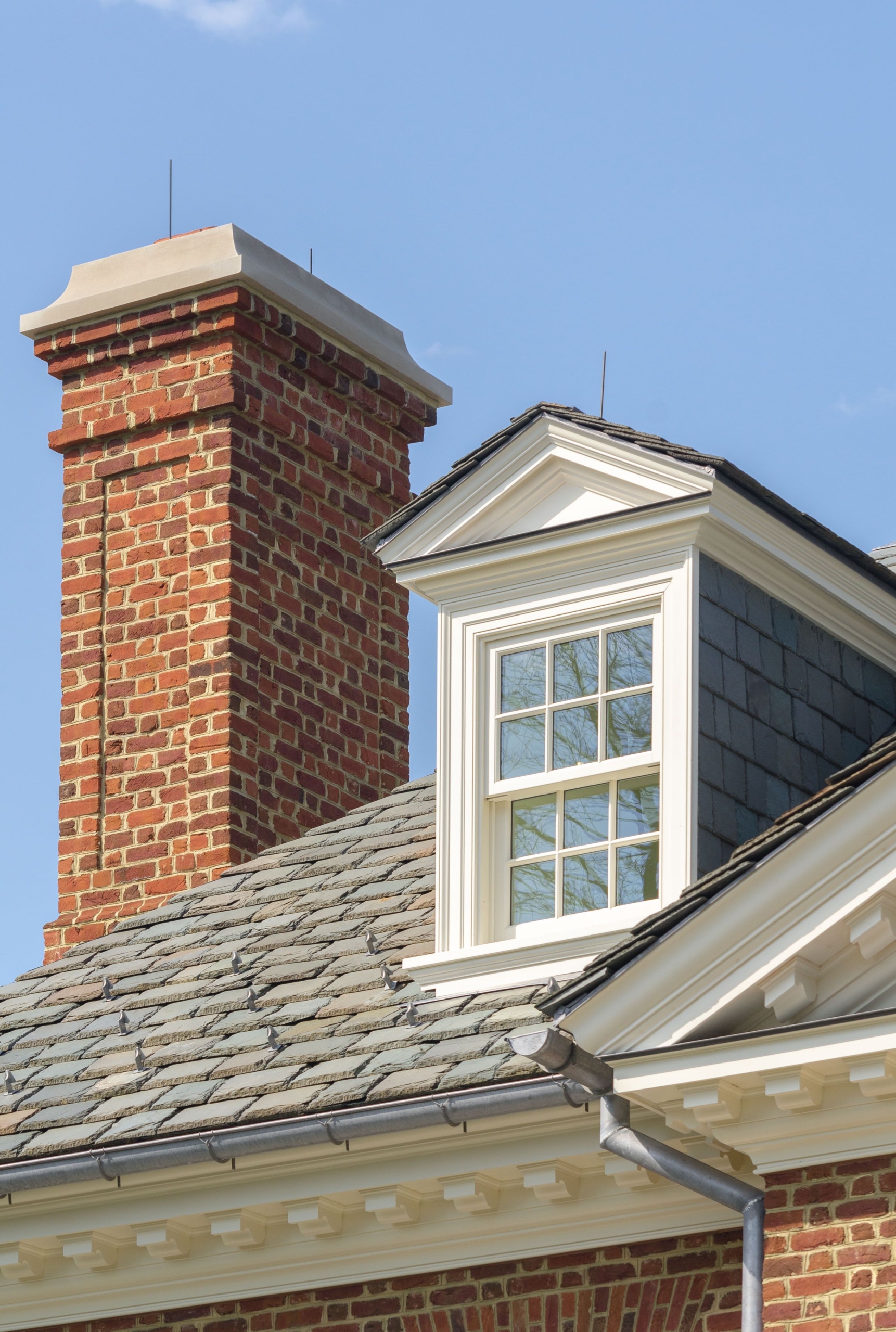
Inspect the gutters for clogs or damage. Clogged gutters can lead to water pooling, which may damage the roof and cause leaks. Clean the gutters regularly and make sure they are firmly attached to the roofline.
Check the Gutters

If accessible, examine the roof deck for any signs of sagging, rot, or water damage. A compromised roof deck can weaken the entire roofing system and necessitate costly repairs. Address any issues promptly to maintain the structural integrity of the roof.
Roof Deck Inspection

Venture into the attic to assess the roof from the interior. Look for signs of water leaks, such as water stains or mold growth. Check for proper insulation and ventilation, as improper attic ventilation can lead to moisture buildup, which in turn may damage the roof.
Attic Inspection
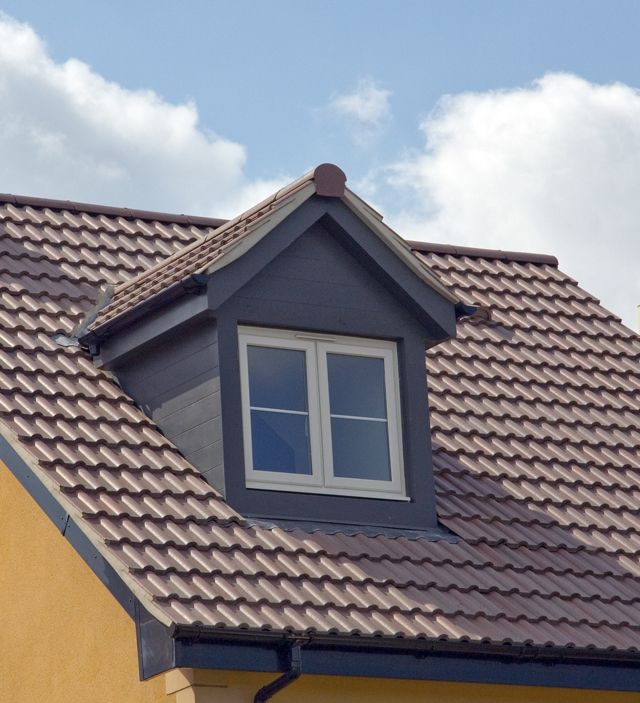
Examine the chimney and vent areas for loose or damaged flashing. Damaged flashing can allow water to seep into the roof and cause leaks. Make sure the chimney cap is in good condition to prevent pests and debris from entering the chimney.
Chimney and Vents
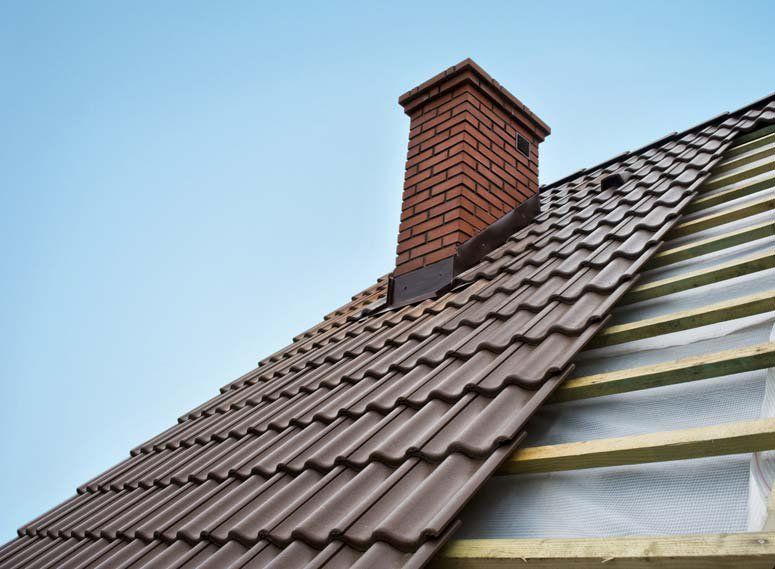
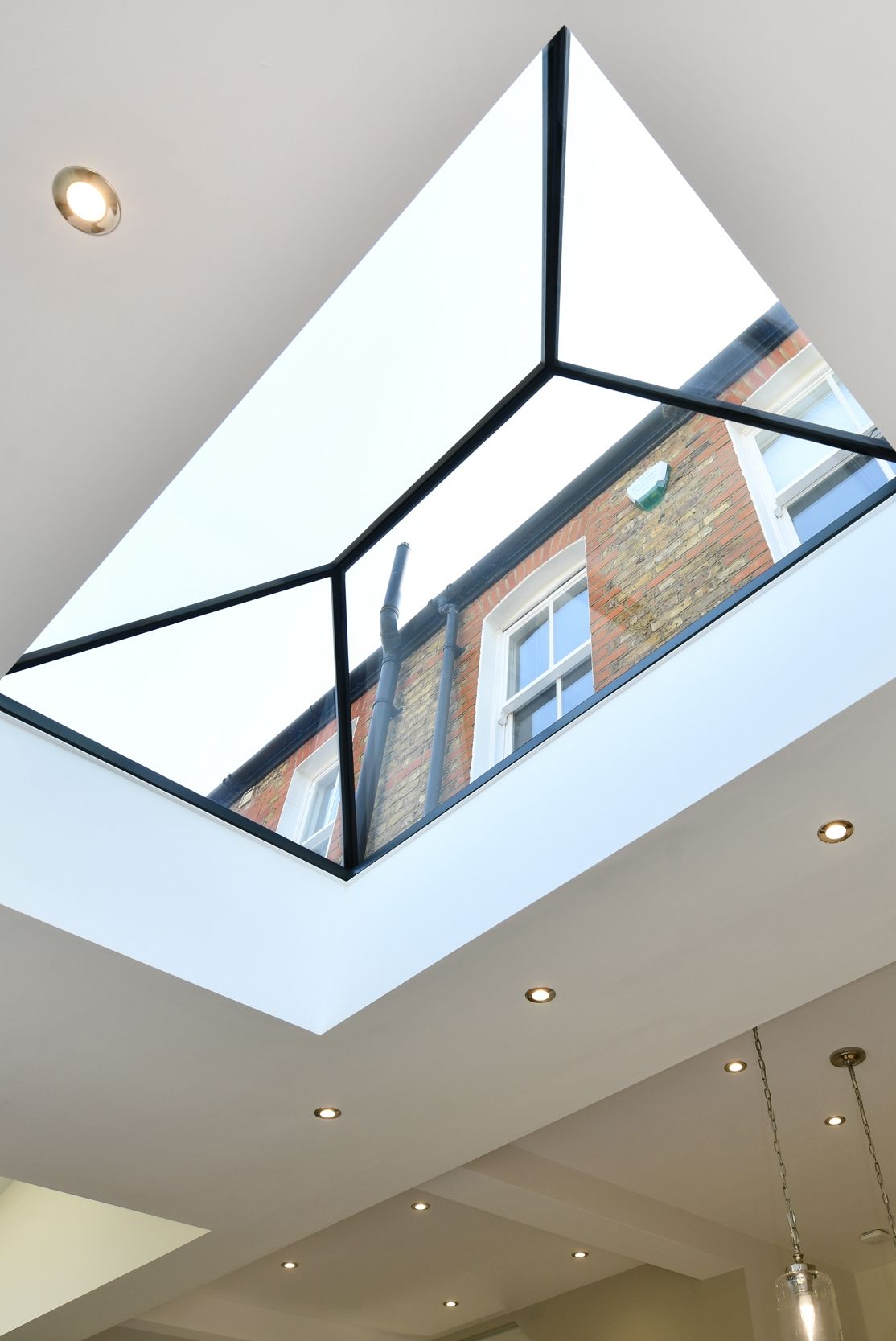
Inspect skylights for cracks or damage, as they are potential areas for leaks. Ensure that the seals around the skylights are intact and in good condition.
Skylights
A thorough roof inspection is a crucial aspect of responsible homeownership and property management. By following this roof inspection checklist, you can detect and address potential issues early on, ensuring the health and durability of your roof. Remember to prioritize safety during the inspection process and consult a professional roofing contractor for a comprehensive assessment to guarantee a well-maintained and safe roof over your head.
If you liked this article, you might also want to check out Ceiling Makeover: Affordable Ideas for a Dramatic Change for more inspiration.
Frequently Asked Questions
When is the best time to inspect a roof?
Conduct inspections at least twice a year (typically in spring and fall) and immediately after severe weather events like heavy storms, high winds, or heavy snowfalls.
Should I inspect the roof myself or hire a professional?
If you have a single-story home, are comfortable with heights, and can safely use a ladder, a DIY visual inspection from the ground and attic is feasible. However, for steep slopes, multi-story homes, or if you spot significant structural damage, you should always consult a professional roofing contractor.
What are the warning signs of poor attic ventilation?
Signs of inadequate attic ventilation include excessive heat buildup, warped decking, high moisture levels, frost accumulation in winter, or premature aging of your roofing shingles.
 Builder Boy
 Builder Boy
 Builder Boy
 Builder Boy
 Builder Boy
 Builder Boy

 Builder Boy
 Builder Boy