
- Assess the condition of the house thoroughly by inspecting the foundation, roof, plumbing, and electrical systems before starting.
- Set a realistic budget that includes a financial buffer for unexpected repairs and specialized labor costs.
- Balance modern convenience with historical preservation by safeguarding original elements like moldings, doors, and windows.
- Plan targeted energy efficiency upgrades—such as modern insulation and updated windows—to lower long-term utility costs.
- Secure all mandatory local building and structural permits prior to beginning physical construction to prevent legal delays.
- Assemble an experienced renovation team that specializes in historic or vintage properties.
Renovating an old house can be a dream come true for many homeowners. The charm of restoring a historic property and giving it a new lease on life is incredibly appealing. However, diving into such a project without proper planning can quickly turn the dream into a nightmare. Where do you start? How do you preserve the character of the house while making it functional for modern living?
In this article, we’ll guide you through the essential steps to begin your journey of renovating an old house and where to start.
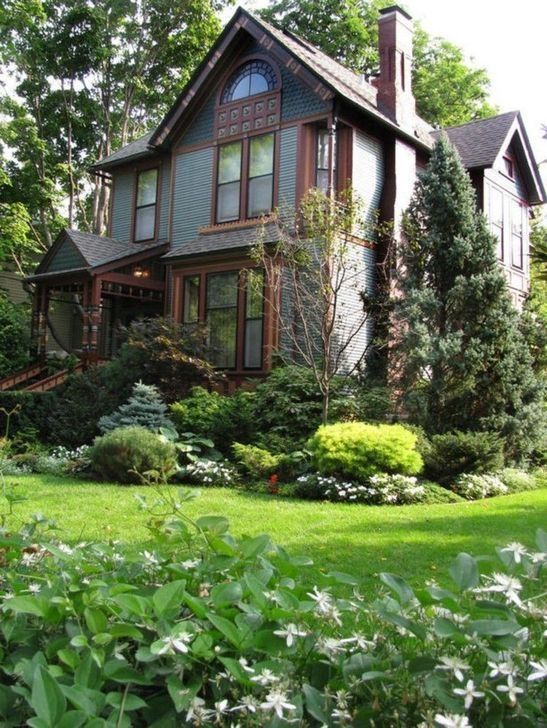
1. Assess the Condition of the House
The first step in renovating an old house is to conduct a thorough assessment of its condition. Identify structural issues, inspect the foundation, plumbing, electrical systems, and the roof. Prioritize repairs and upgrades based on the urgency of the issues. Creating a checklist will help you stay organized and focused.
2. Set a Realistic Budget
Renovating an old house can be costly, especially if unexpected issues arise during the process. Set a realistic budget that includes a buffer for unforeseen expenses. Research the cost of materials, labor, permits, and any specialized services you might need. It’s crucial to have a clear understanding of your financial limitations from the outset.
3. Preserve the Historical Charm
Preserving the unique character of an old house is often a primary concern. Research the architectural style of your house and identify key features that should be retained. Salvage and restore original elements such as moldings, doors, and windows whenever possible. This not only maintains the authenticity of the house but also adds value to the property.
4. Plan for Energy Efficiency
Older houses are often not energy-efficient, leading to high utility bills. Plan for energy-efficient upgrades, such as insulation, energy-efficient windows, and energy-efficient appliances. Not only will this make your home more comfortable, but it will also save you money in the long run.
5. Obtain Necessary Permits
Before you start any renovation work, make sure you obtain all the necessary permits from local authorities. Renovations involving structural changes, electrical or plumbing work typically require permits. Failing to obtain the proper permits can result in fines and delays in your project.
6. Find the Right Team
Building a reliable and skilled renovation team is crucial. Hire experienced contractors, architects, and designers who specialize in renovating old houses. Check their references and view their previous work to ensure they understand the unique challenges that come with historic properties.
7. Plan for Temporary Accommodations
Depending on the scope of your renovation, it might be necessary to find temporary accommodations. Living elsewhere during major renovations can reduce stress and ensure your safety, especially if there are significant structural changes being made to the house.
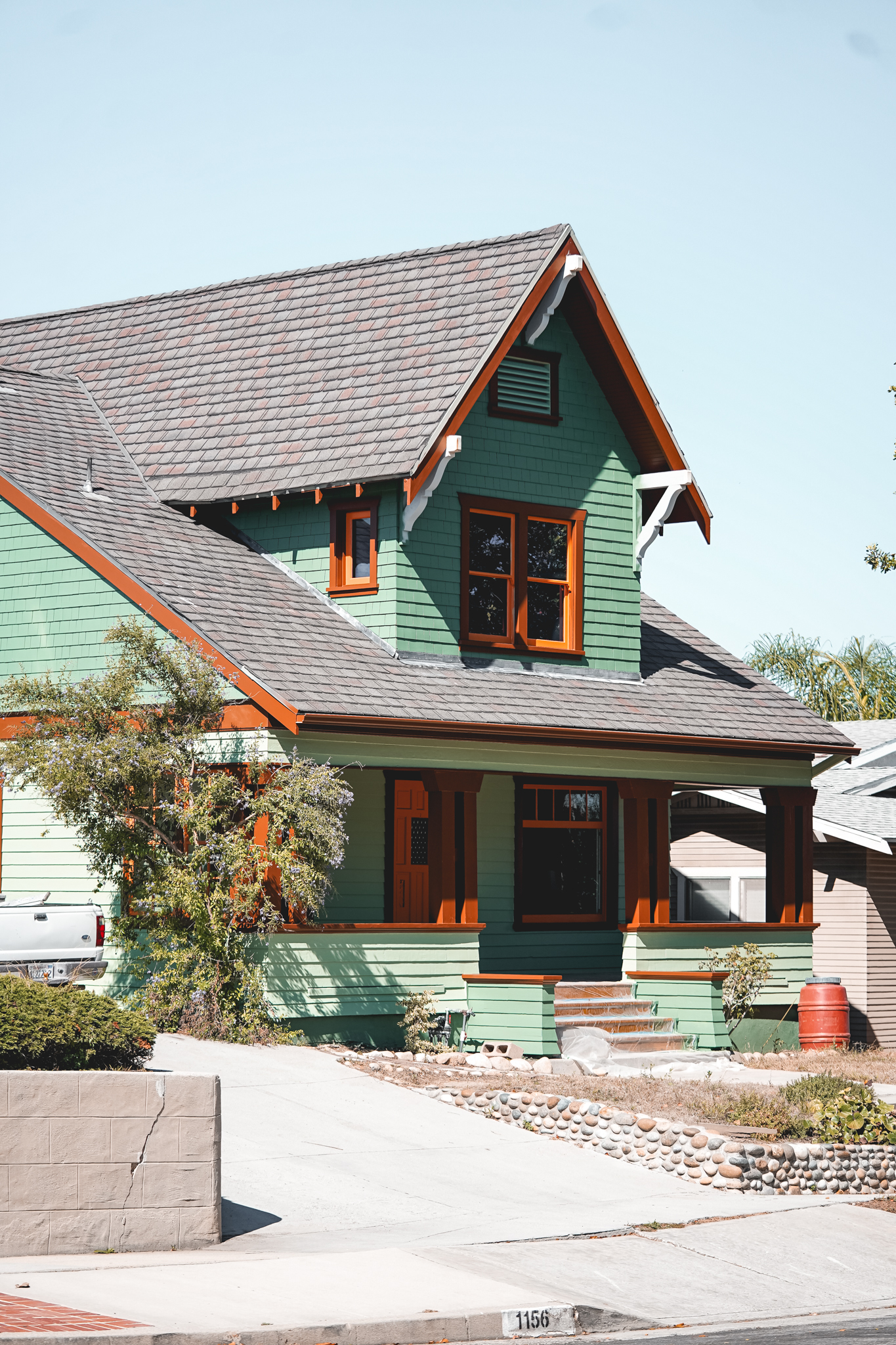
Renovating an old house is a labor of love that requires careful planning, dedication, and patience. By assessing the condition of the house, setting a realistic budget, preserving its historical charm, planning for energy efficiency, obtaining necessary permits, assembling the right team, and making arrangements for temporary accommodations if needed, you can embark on your renovation journey with confidence. Remember, each old house has a story to tell, and your renovation efforts will help preserve its legacy for generations to come.
Good luck with your renovation project!
Check out Restoring a Vintage Home in Orange County: Tips and Tricks for more bright ideas.
Frequently Asked Questions
What is the very first step in renovating an old house?
Conducting a comprehensive condition assessment to identify structural problems, roof integrity, and outdated electrical or plumbing systems.
Why are permits important for an old house renovation?
Local authorities require permits for structural, electrical, and plumbing changes. Skipping this step can lead to costly fines and project delays.
How can I maintain the original character of my home?
Research the property’s architectural style, identify core period features, and salvage or restore original architectural details like doors and moldings whenever possible.
Should I plan to live in the house during a major overhaul?
Depending on the scope of the project, finding temporary accommodations is often recommended to reduce stress and ensure safety during significant structural updates.
 Builder Boy
 Builder Boy
 Builder Boy
 Builder Boy
 Builder Boy
 Builder Boy
 Builder Boy