
Key Takeaways
- The 5-Step Process: Pool installation involves Design & Planning (permits, layout, and zoning), Excavation (digging the shape with heavy machinery), Structure & Plumbing (rebar, electrical, and shell/liner installation), Decking & Coping (finishing surrounding pavers, concrete, or tile), and Filling & Finishing Touches (water filling, testing filtration, and landscaping).
- Timelines Vary by Type: Vinyl liner pools: 2 to 4 weeks, Fiberglass pools: 2 to 3 weeks, Concrete (gunite) pools: 6 to 10 weeks
- Budgeting Expectations: Costs range from $50,000 to $85,000 for vinyl, $65,000 to $110,000 for fiberglass, and $85,000 to $150,000+ for concrete. Homeowners should also budget for ongoing maintenance, covers, and upgrades.
Installing a pool isn’t just about adding luxury to your backyard—it’s about creating a lifestyle. Whether you’re dreaming of weekend parties, morning laps, or a quiet escape after work, installing a pool can be a transformative investment for your home. But before you grab your floaties, it’s important to understand what the pool installation process really involves.
Step 1: Design & Planning
Every great pool starts with a vision. During this phase, homeowners collaborate with a pool contractor or designer to determine the type of pool (inground, above-ground, fiberglass, concrete, or vinyl liner), the shape, size, and any extra features like lighting, waterfalls, hot tubs, or tanning ledges.
You’ll also want to consider:
- Your yard’s layout and slope
- Sun exposure
- Local zoning regulations
- Utility lines
Permits are usually required before any work can begin, so make sure your contractor is familiar with the permitting process in your city or county.
Step 2: Excavation
Once the design is finalized and permits are secured, the real digging begins—literally. This step involves heavy machinery to dig out the shape of your pool. It’s messy and loud, but crucial. This phase usually takes 1–3 days depending on the pool size and complexity of your yard.
Pro tip: Talk with your installer about access points and how the excavation might impact surrounding landscaping or fences.
Step 3: Structure & Plumbing
This is where your pool begins to take shape:
- Rebar or steel frames are installed for structural support (especially with concrete pools).
Plumbing and electrical are roughed in for features like jets, pumps, and lights. - A concrete shell, fiberglass mold, or vinyl liner is then put in place, depending on your pool type.
Step 4: Decking & Coping
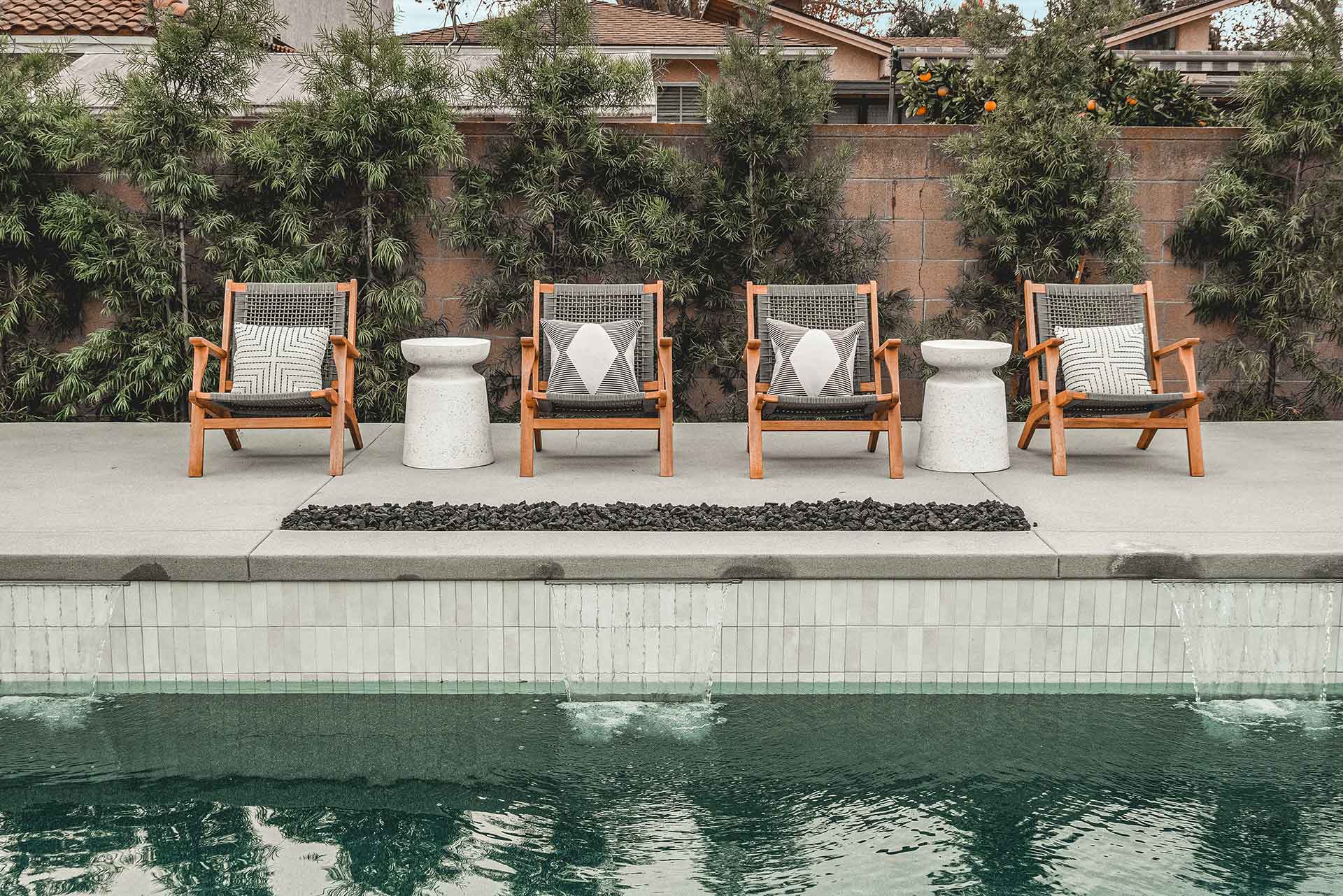
Once the pool structure is secure, the surrounding area is finished with decking (pavers, concrete, tile) and coping (the edge between the pool and the deck). This step also defines the style and functionality of the space—will it be a minimalist modern oasis or a tropical resort-style retreat?
Step 5: Filling & Finishing Touches
The pool is filled with water, and final details like tile, plaster, and landscaping are completed. This is also when your filtration system, heaters, and lighting are tested. Once everything checks out, you’re nearly ready to dive in.
How Long Does Pool Installation Take?
On average:
- Vinyl liner pools: 2–4 weeks
- Fiberglass pools: 2–3 weeks
- Concrete (gunite) pools: 6–10 weeks
Weather delays, permit issues, and custom features can extend the timeline—so build in some flexibility.
Budgeting for Installation
According to the Signature Landscape, standard 14×28-foot pool construction costs typically fall within these updated price ranges:
Vinyl: $50,000 – $85,000
Fiberglass: $65,000 – $110,000
Gunite / Concrete: $85,000 – $150,000
Remember to budget beyond the initial shell cost—permitting, excavation, equipment, decking, and automation routinely add 30% to 50% to your overall project budget, alongside long-term upkeep expenses like regular monthly service, utility costs, and eventual liner replacements or shell resurfacing.
Final Thought
Installing a pool is a big project, but with the right team and preparation, it can be one of the most rewarding investments you’ll ever make in your home. It adds value, beauty, and a lot of fun. Just remember: good things take time, especially the kind worth swimming in.
Ready to turn your backyard into your personal oasis? Contact us today to schedule your custom pool consultation in Orange County and let our expert team bring your dream to life.
Frequently Asked Questions
1. How long does a pool installation take?
Timelines depend heavily on the material used. Vinyl liner pools take about 2 to 4 weeks, fiberglass pools take 2 to 3 weeks, and concrete (gunite) pools take 6 to 10 weeks. Factors like weather delays, permit approvals, and custom features can extend these timelines.
2. What permits are required before installing a pool?
Permits are usually required by your city or county before any work begins. These ensure compliance with local zoning regulations, property setbacks, and utility lines. Your contractor should typically be familiar with and handle the local permitting process.
3. What are the cost differences between pool types?
Estimated average costs vary by pool material:
- Vinyl: $50,000 – $85,000
- Fiberglass: $65,000 – $110,000
- Concrete: $85,000 – $150,000+
4. What factors should I consider during the design phase?
Key considerations include your yard’s layout and slope, sun exposure, local zoning laws, and underground utility lines. You will also collaborate on the pool type, shape, size, and added features like lighting, waterfalls, or tanning ledges.
 Builder Boy
 Builder Boy
 Builder Boy
 Builder Boy
 Builder Boy
 Builder Boy
 Builder Boy
 Builder Boy, LLC