
Key Takeaways
- Embrace Functional Simplicity & Warm Tones: Mid-century modern bathroom design relies heavily on clean lines, slab-front vanities, and warm wood species like walnut or teak to create an uncluttered, inviting space.
- Incorporate Organic Materials & Retro Colors: Use natural stone, terrazzo, and wood alongside bold accent colors like mustard yellow, teal, or burnt orange via tilework and accessories.
- Optimize for the LA Lifestyle: Maximize natural light through large windows or skylights to blend indoor-outdoor living, and prioritize water-saving fixtures to meet California efficiency standards.
- Plan for Renovation Hurdles: Factor in potential plumbing upgrades, strict local building codes, and historical preservation requirements before starting a remodel on older properties.
If you’ve ever scrolled through photos of classic Los Angeles homes and felt an instant wave of calm, you already know the magic of mid-century modern bathroom design. It’s that effortless blend of clean lines, warm woods, and bright, sun-drenched spaces that just feels like home.
We spend so much time obsessing over our living rooms and kitchens, but what happens when you bring that same iconic vibe into the bathroom?
Whether you’re planning a full-scale LA remodel or just daydreaming about swapping out a tired vanity, designing a mid-century modern bathroom is all about striking the right balance between retro charm and modern-day luxury. Let’s dive into how you can bring a slice of Southern California design history right into your own space.
1. The Allure of Mid-Century Modern in LA
Los Angeles played a pivotal role in the evolution of modern architecture, from the famous Case Study Houses to the Eichler homes that dotted the suburbs. In bathroom design, mid-century modern’s emphasis on uncluttered spaces, natural light, and warm wood tones resonates with Angelenos who crave both style and comfort. The city’s Mediterranean climate also pairs perfectly with mid-century’s seamless indoor-outdoor living ethos. While that concept is often applied to living rooms and dining rooms, bathrooms can also benefit from the same airy, bright aesthetic.
2. Key Mid-Century Bathroom Elements
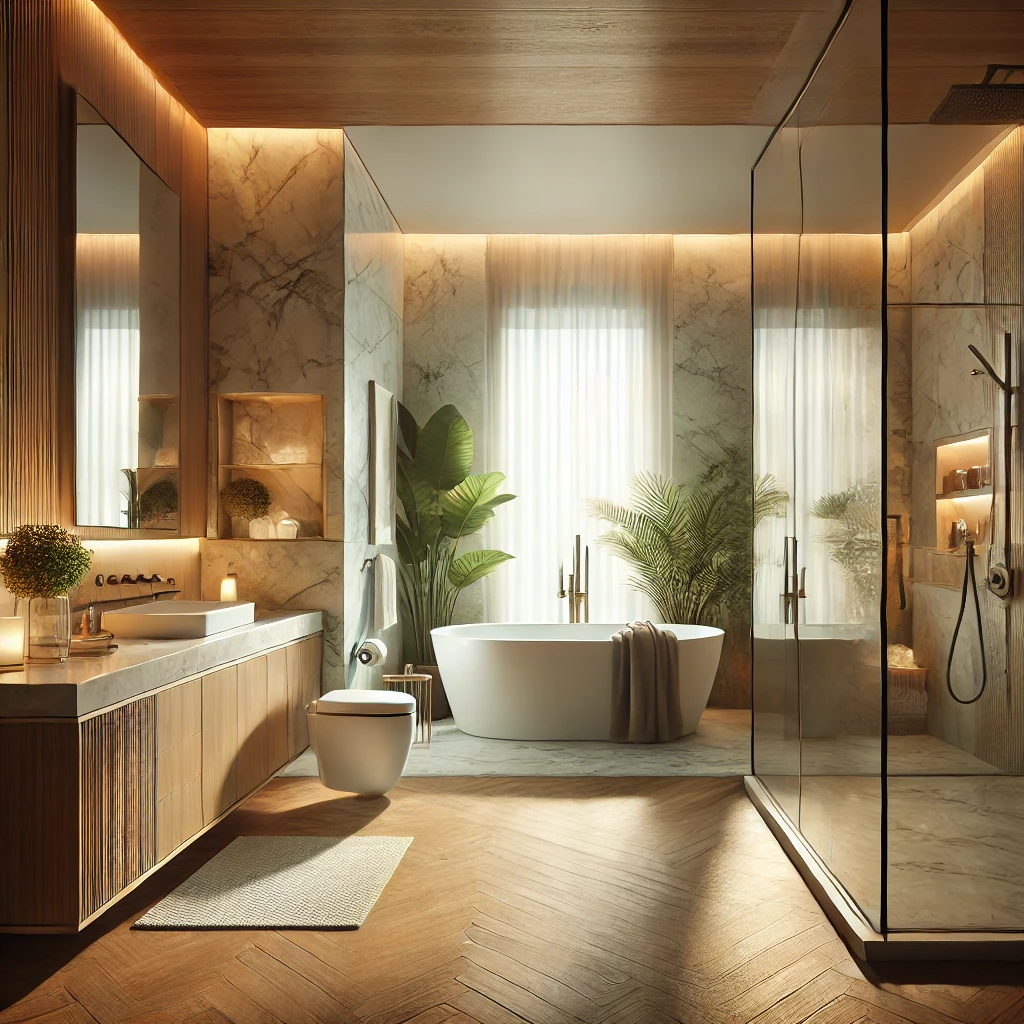
- Clean Lines: Cabinets and vanities with flat, slab-front designs and minimal ornamentation define mid-century modern. Wood species like walnut or teak can add warmth and depth to your bathroom space.
- Organic Materials: Natural stone, wood, and even terrazzo were hallmarks of mid-century design. Incorporating these materials into your flooring, countertops, or backsplash helps maintain the authenticity of the style.
- Bold Pops of Color: While neutral backdrops are common, bursts of color—think mustard yellow, teal, or burnt orange—are integral to mid-century. These can be introduced through tilework, accent walls, or decorative accessories.
- Iconic Fixtures: Starburst chandeliers, Sputnik light fixtures, or retro-inspired sconces capture the essence of the era. If you have space, consider a freestanding tub with a timeless silhouette.
3. Customizing for the LA Lifestyle
Angelenos lead fast-paced, dynamic lives, so bathrooms need to be both functional and stylish. Consider:
- Indoor-Outdoor Connection: If possible, add a large window or skylight to let in natural light. This is especially effective in properties that have enclosed courtyards or high walls ensuring privacy.
- Water Conservation: California’s ongoing focus on water efficiency means choosing low-flow faucets and showerheads, as well as water-saving toilets. Modern fixtures exist that blend mid-century aesthetics with eco-friendly performance.
- Local Sourcing: LA is known for its thriving community of artisans and craftspeople. From handmade tiles to custom cabinetry, you can imbue your bathroom with local character, supporting the region’s design community.
4. Handling Renovation Challenges
Older homes, especially mid-century properties, often have outdated plumbing or limited electrical capacity. Before diving into a remodel, consult with a professional to assess potential challenges:
- Structural Upgrades: You may need to reinforce walls or floors, particularly if you plan to add a new bathtub or expand the layout.
- Permit Requirements: LA is strict about building codes and permits. Make sure you’ve checked local regulations and secured the necessary approvals. Check out their guide on LA Permit Requirements for Remodels.
- Preservation vs. Innovation: Many older mid-century homes are considered architecturally significant. If that applies to your property, you might need approval from historical preservation groups or specialized contractors who understand how to maintain design integrity.
Bringing It All Together
At the end of the day, investing in a proper mid-century modern bathroom design is about so much more than just a fresh coat of paint or a trendy new fixture—it’s a true celebration of the city’s rich design heritage. By seamlessly blending vintage authenticity with modern convenience and California sustainability, you’re creating a space that feels both timeless and completely current.
When done right, a mid-century sanctuary doesn’t just elevate your daily routine; it adds lasting value to your home while honoring that iconic Southern California aesthetic.
Ready to bring your mid-century vision to life? Whether you’re dreaming up a sleek new vanity layout or planning a full-scale renovation, you don’t have to navigate it alone. Get a free estimate with us today, and let’s turn your LA bathroom dreams into reality!
Frequently Asked Questions
What are the defining features of a mid-century modern bathroom?
Key features include flat-slab cabinetry, natural wood tones, organic materials like stone and terrazzo, statement lighting (such as sputnik fixtures or starburst chandeliers), and bold, retro pops of color.
How can I incorporate the LA indoor-outdoor lifestyle into a bathroom?
You can create an airy, open feel by adding large windows, skylights, or even a frosted glass door leading to a private enclosed courtyard to maximize natural light and airflow.
Are mid-century bathroom fixtures water-efficient?
Yes. Modern sustainable fixtures allow you to maintain authentic mid-century aesthetics while utilizing low-flow faucets, efficient showerheads, and water-saving toilets that comply with California regulations.
What should I check before remodeling an older mid-century home in Los Angeles?
You should consult professionals to inspect outdated plumbing or electrical wiring, check local permit and building code requirements, and determine if the property falls under historical preservation guidelines.
 Builder Boy
 Builder Boy
 Builder Boy
 Builder Boy
 Builder Boy
 Builder Boy

 Builder Boy
 Builder Boy