
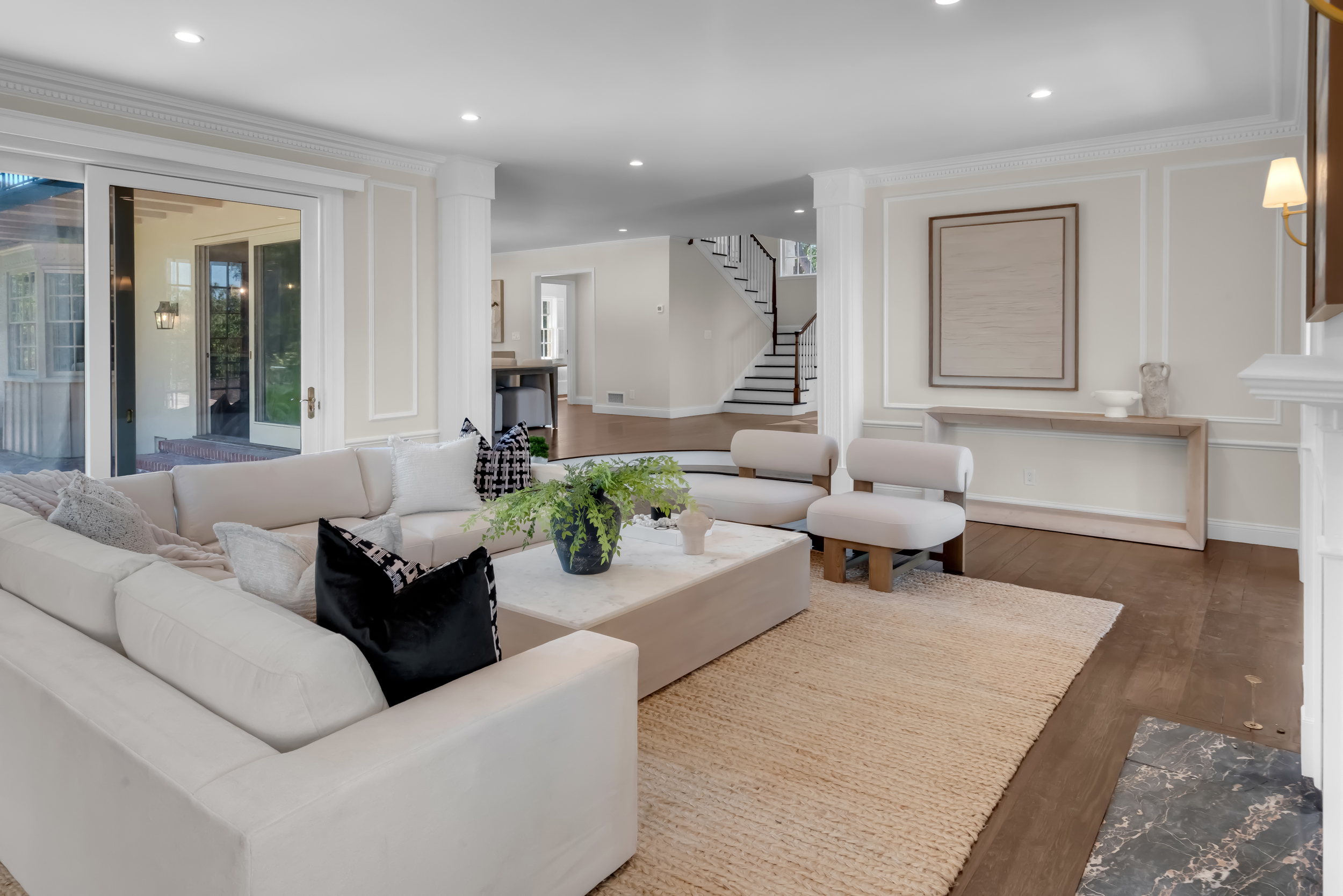
Key Takeaways
- Defining Design Elements: Mid-century modern style is defined by clean geometric lines, a strong focus on functional form, a mix of natural materials (like walnut and teak) with industrial elements (metal, plastic), and rich retro color palettes.
- Architecture & Lighting: Open floor plans, large/floor-to-ceiling windows, indoor-outdoor flow, and statement lighting pieces (such as Sputnik chandeliers and arc floor lamps) are core pillars of the aesthetic.
- Timeless Versatility: The style remains popular because it is versatile, layers easily with other modern design trends (like Japandi or Scandinavian), and balances minimalism with warmth.
- Thoughtful Styling: It encourages intentional living through “fewer, better pieces,” combining vintage and new finds while avoiding clutter and overly matching sets.
Ever walked into a room and instantly felt like you’ve stepped into a effortlessly cool, timeless time capsule? That’s the magic of Mid-Century Modern design. Whether you’ve spotted it in your favorite retro television shows or noticed sleek walnut credenzas making a massive comeback in modern homes, this style just has an undeniable cool factor.
But beyond the iconic chairs and vintage flair, why does it continue to capture our hearts decades later? Let’s dive into what makes Mid-Century Modern design so special, how to spot its key features, and a few easy ways to bring that warm, minimalist vibe right into your own space.
Defining Features of Mid-Century Modern Interior Design
So what sets Mid Century Modern apart from other styles? Here are the key design elements that define it:
1. Clean, Geometric Lines
Mid-century furniture often features straight edges, soft curves, and simple shapes. You won’t find ornate carvings or excessive detailing—everything is designed with intention and restraint.
2. Functional Form
Every piece has a purpose. Tables often have thin tapered legs, chairs mold to the body, and storage pieces are compact but smartly designed. It’s beauty without unnecessary embellishment.
3. Natural Materials + New Technologies
Wood—particularly walnut, teak, and rosewood—is a staple. But designers weren’t afraid to experiment with metal, plastic, and fiberglass either. The contrast between organic and industrial is part of the magic.
4. Retro Color Palettes
Mid-century color schemes mix neutrals with bold accents. Expect olive green, burnt orange, mustard yellow, navy blue, and earthy browns. These hues give warmth and depth to otherwise minimal spaces.
5. Large Windows & Indoor-Outdoor Flow
The architecture of the era favored open plans, floor-to-ceiling windows, and a strong connection to nature. While not every home has a wall of glass, modern interiors inspired by the style often seek similar light-filled openness.
6. Iconic Lighting
No mid-century space is complete without a show-stopping light fixture. Sputnik chandeliers, arc floor lamps, and globe pendants are just a few pieces that continue to show up in stylish interiors today.
Why Mid Century Modern Still Resonates Today
Some design styles fade with time (looking at you, Tuscan kitchens). Others evolve into something new. Mid-century design, however, has largely stayed true to its roots—because it works.
1. It’s Versatile
Whether you live in a 1950s bungalow, a modern loft, or a suburban new build, Mid Century Modern elements can be layered in effortlessly. A Danish sideboard or tulip table works just as well with boho accents as it does with minimalist decor.
2. It Embraces Minimalism Without Feeling Cold
Unlike ultra-modern or industrial interiors, which can sometimes feel stark, mid-century modern keeps things warm and livable. Wood tones, textiles, and sculptural furniture add dimension without clutter.
3. It Encourages Thoughtful Consumption
Mid-century interiors favor fewer, better pieces. Rather than cramming your space with disposable decor, it encourages investing in items with longevity and purpose. Whether you buy vintage or new, quality takes center stage.
4. It Plays Well With Other Trends
Designers today frequently mix mid-century pieces with Japandi, Scandinavian, eclectic, or even maximalist styles. The clean lines and neutral base make it a great “anchor” that doesn’t compete with bolder pieces.
How to Bring Mid Century Modern Style Into Your Home
You don’t need to gut your home or spend a fortune to get the mid-century look. Here’s how to incorporate it piece by piece:
1. Start with Statement Furniture
A single mid-century sofa, dining table, or credenza can instantly set the tone. Look for furniture with tapered legs, smooth wood finishes, and functional silhouettes.
2. Layer in Retro Lighting
Swap out dated light fixtures for something sleek and sculptural. Arc lamps, sputnik chandeliers, or simple globe pendants provide that signature look.
3. Use Earthy & Bold Accents
Add throw pillows in burnt orange, olive green, or mustard. Hang abstract art in rich tones. You don’t need to repaint your walls—color can come through accessories and textiles.
4. Mix Old and New
Don’t be afraid to hunt for vintage finds on Craigslist, Facebook Marketplace, or thrift stores. Mid-century furniture was built to last, and secondhand pieces add instant character.
5. Keep It Clutter-Free
Resist the urge to over-decorate. The best mid-century interiors leave room to breathe. Choose a few standout items—an art print, a sleek chair, a textured rug—and let them shine.
5. Keep It Clutter-Free
Mid-century homes often featured plants and organic elements. Add a few houseplants, a ceramic planter, or wooden decor to connect your space to nature.
Common Mistakes to Avoid
Even great design can go wrong when overdone. Here are a few things to steer clear of:
- Don’t create a museum. Your space shouldn’t look like a 1960s time capsule. Blend old and new for balance.
- Avoid matching sets. A room full of “coordinated” furniture feels stale. Mix woods, fabrics, and finishes for a collected look.
- Watch out for fakes. Not every molded plastic chair is worth the hype. If you’re buying replicas, go for quality reproductions with strong reviews.
- Skip the clutter. The style is minimal for a reason. A few well-chosen objects make more impact than shelves full of decor.
Frequently Asked Questions
1. What are the primary colors used in Mid-Century Modern design?
Mid-century color schemes typically combine clean neutrals with bold, earthy accents. Popular hues include olive green, burnt orange, mustard yellow, navy blue, and warm wood tones.
2. Can Mid-Century Modern design work in a newer home?
Absolutely. While the style originated in the mid-20th century with open-concept architecture, its clean lines and versatile furniture make it easy to blend into suburban builds, urban apartments, and contemporary lofts.
3. How can I mix vintage and new furniture without making the room look cluttered?
Focus on quality and negative space. Select a few standout statement pieces—like a sleek credenza or a sculptural chair—and let them breathe by keeping surfaces uncluttered and maintaining a balanced, minimalist layout.
4. What lighting fixtures are essential for a Mid-Century Modern look?
Statement lighting is a hallmark of the style. Look for iconic fixtures like Sputnik chandeliers, arc floor lamps, and globe pendants to instantly anchor the space.
 Builder Boy
 Builder Boy
 Builder Boy
 Builder Boy
 Builder Boy
 Builder Boy
 Builder Boy
 Builder Boy