Key Takeaways
- Prioritize Prep Work: Thoroughly cleaning, repairing, and prepping surfaces ensures a faster project and a significantly more polished, long-lasting finish.
- Invest in Quality Tools: High-quality brushes, painter’s tape, drop cloths, and sandpaper make the painting process smoother and improve overall results.
- Select the Right Paint and Finish: Match the paint to the room’s function and lighting, remembering that light colors expand a space while darker tones create a cozy atmosphere.
- Leverage Color Psychology: Thoughtful color schemes and complementary or contrasting shades can effectively influence the mood and atmosphere of a room.
- Test Before You Paint: Experimenting with sample boards helps refine your technique and color choices before applying paint to the main walls.
When it comes to transforming your living space, a fresh coat of paint can work wonders. Whether you’re looking to update the aesthetic of your home or increase its market value, embarking on a DIY painting project can be both rewarding and cost-effective. In this comprehensive guide, we’ll take you through the essential steps of the painting process, sharing valuable tips and insights to ensure your project is a resounding success.
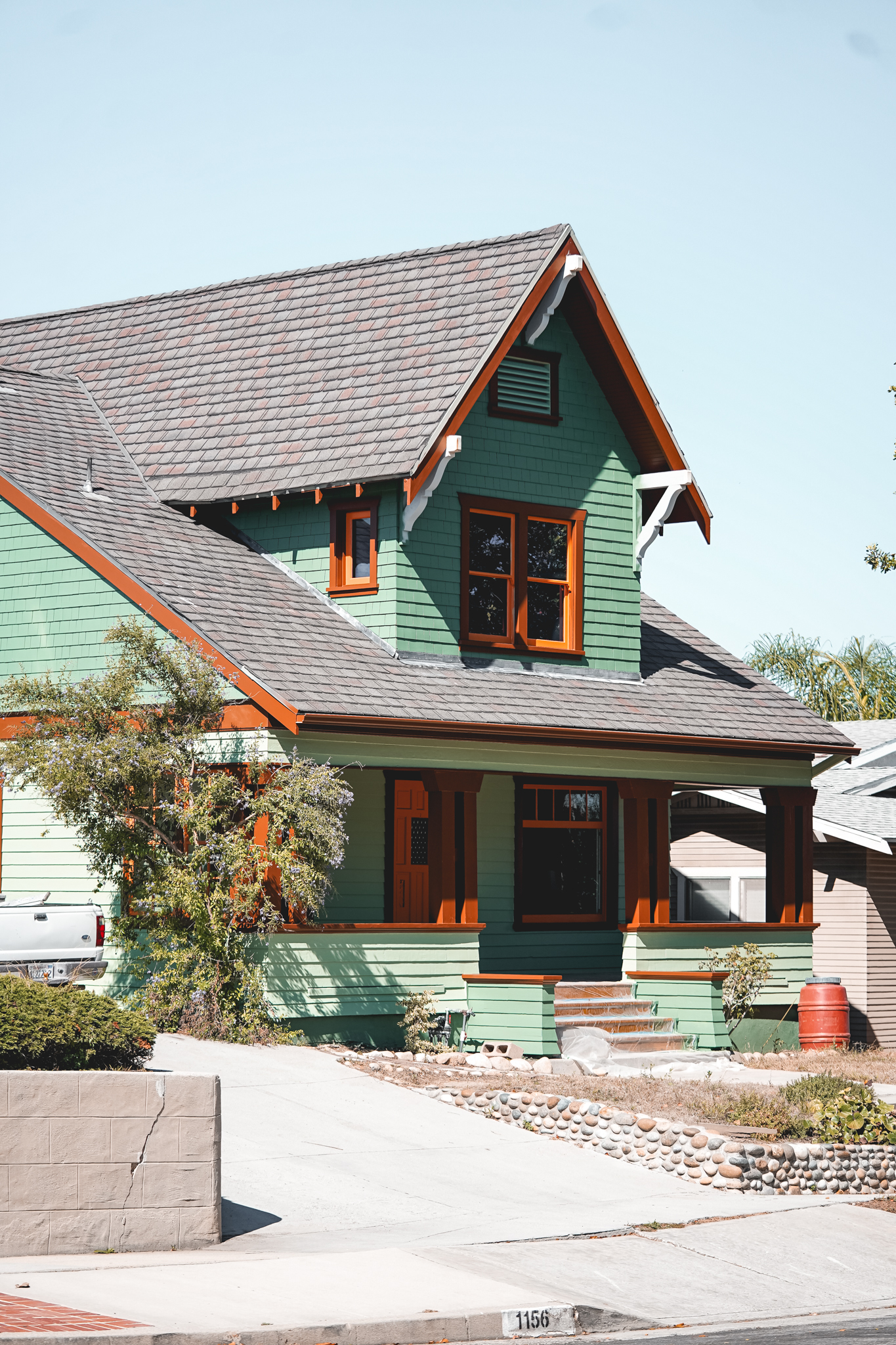
Painting is more than just color on walls; it’s an art that requires precision and careful planning. So, let’s dive into the world of DIY painting, where creativity meets practicality.
1. Choosing the Right Paint
Selecting the right paint is crucial for a successful project. Consider factors such as the room’s purpose, lighting, and your preferred finish. Did you know that using light colors can make a room feel more spacious, while darker tones create a cozy ambiance? These are the kind of decisions that can truly elevate your space.
2. Essential Tools and Materials
Before you dip that brush into the paint can, make sure you have the right tools. High-quality brushes, painter’s tape, drop cloths, and sandpaper are your best allies in achieving a professional finish.
According to a recent survey by DIY experts, investing in good-quality tools not only makes the job easier but also ensures longevity in the final result.
3. Prep Work Matters
Proper preparation is the key to any successful painting project. Take the time to clean and repair surfaces, ensuring a smooth canvas for your masterpiece.
Statistics show that projects with thorough prep work are not only completed faster but also result in a more polished appearance.
4. The Art of Color Combinations
Ever wondered how certain color combinations can evoke different emotions?
Our research indicates that a well-thought-out color scheme can influence mood and enhance the overall atmosphere of a room. Consider complementary colors for a harmonious feel or experiment with contrasting shades for a bold statement.
5. Painting Techniques for Every Surface
Different surfaces require different techniques. From rolling to brushing and spraying, understanding the right method for your project is crucial.
Our experts suggest that experimenting with sample boards can help you perfect your technique before tackling the main walls.
As you put the finishing touches on your DIY painting project, revel in the transformation you’ve achieved. Remember, it’s not just about adding color to walls; it’s about creating a space that reflects your personality and style.
In conclusion, DIY painting is an empowering journey that allows you to unleash your creativity while adding value to your home. Feel free to share your newfound skills with friends and family, as there’s nothing quite like the satisfaction of a well-executed DIY project.
If you enjoyed reading this, then you might wanna check this out Painting Your Home with Sustainable Options !
Frequently Asked Questions
Why is prep work so important in DIY painting?
Proper preparation creates a smooth canvas, ensuring that the paint adheres correctly and results in a clean, professional appearance.
How do different paint colors affect room size?
Light colors reflect more light, making a room feel more open and spacious, whereas darker tones absorb light and create an intimate, cozy feel.
What tools are essential for a successful painting project?
Essential tools include high-quality paintbrushes, reliable painter’s tape, drop cloths to protect floors and furniture, and sandpaper for surface smoothing.
How can I test my color choices before painting the whole room?
Experts recommend using sample boards to test color combinations and perfect your painting technique prior to tackling the main walls.
 Builder Boy
 Builder Boy
 Builder Boy
 Builder Boy
 Builder Boy
 Builder Boy
 Builder Boy