
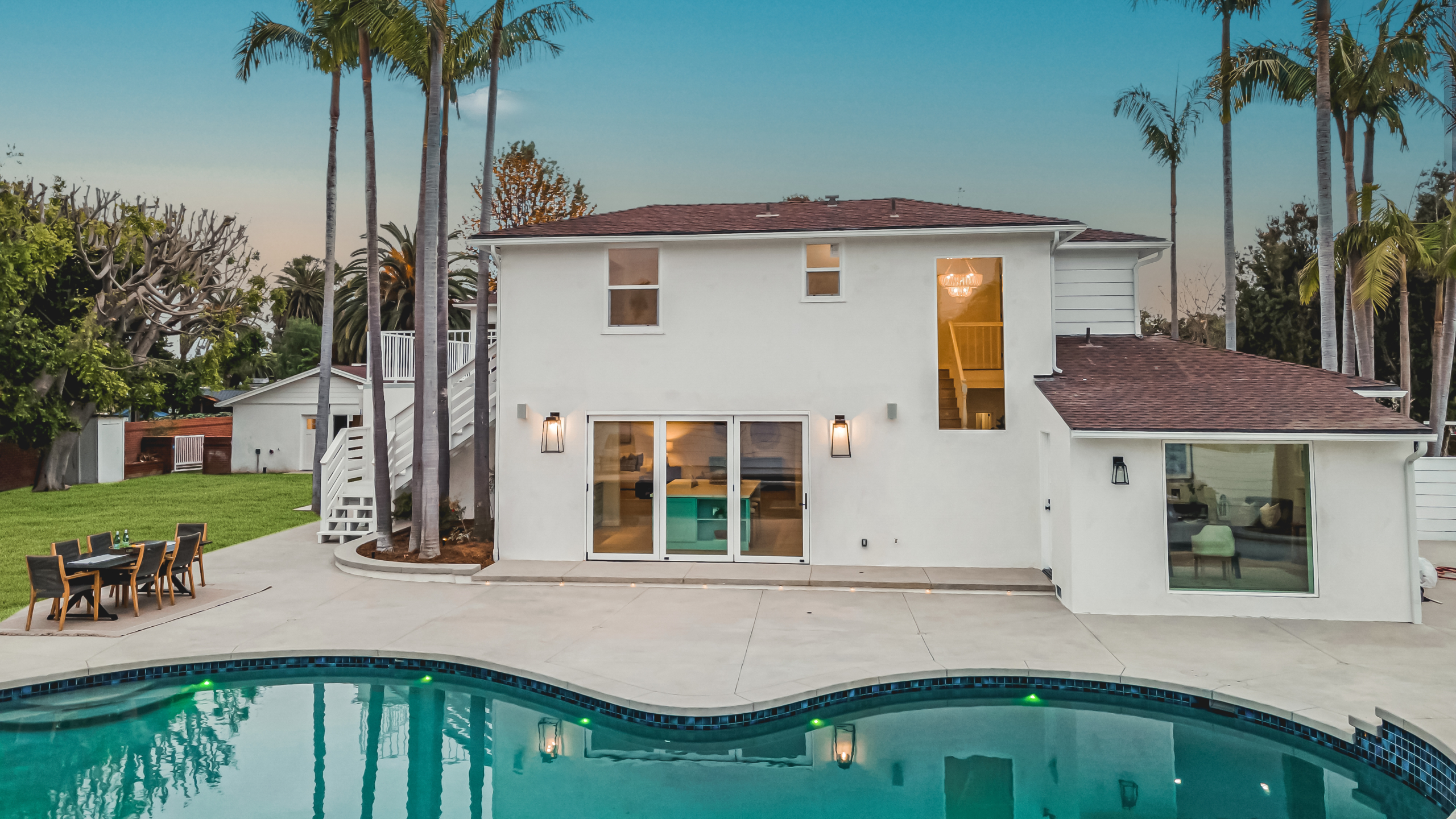
Key Takeaways
- Pool Types & Costs: There are three main pool materials—concrete ($50,000 to $100,000+), fiberglass ($35,000 to $70,000), and vinyl liner ($25,000 to $50,000). Concrete offers maximum customization, fiberglass provides low maintenance with quick installation, and vinyl is the most budget-friendly.
- Design & Features: Customization goes beyond basic shapes to include depth profiles, decking, landscaping, luxury water features, lighting, and smart automation systems for cleaning and heating.
- Permits & Regulations: Before breaking ground, homeowners must secure zoning approvals, ensure adherence to property line setbacks, and comply with safety fencing and drainage regulations.
- Timeline: An average residential pool project takes 8 to 12 weeks from initial excavation and plumbing to final shell installation, decking, and safety testing.
Dreaming of a backyard oasis where you can cool off in the summer and host unforgettable weekend gatherings? Adding a swimming pool is easily one of the best upgrades you can make to your home. But before you dive headfirst into construction, it pays to know what you’re getting into. From picking the right materials and sorting through permits to budgeting and timelines, building a pool takes some serious planning. Don’t worry, though—we’ve put together this complete guide to walk you through the entire process step-by-step, helping you build your dream pool with total confidence.
Step 1: Choosing the Right Pool Type
Not all pools are created equal. The first step in pool construction is selecting a design that suits your property, climate, and preferences. The most common types include:
- Concrete Pools – Highly customizable but require more time and maintenance.
- Fiberglass Pools – Pre-made shells that are quick to install and require less maintenance.
- Vinyl Liner Pools – Budget-friendly but may require liner replacements over time.
Each type has its own benefits and drawbacks. Concrete pools allow for intricate designs, but they’re the most expensive. Fiberglass pools are durable and easy to maintain but have limited customization. Vinyl liner pools are cost-effective but require occasional liner replacements.
Step 2: Pool Design and Features
Once you’ve selected a pool type, the next step is determining the design and additional features. Some elements to consider include:
- Shape and Size – Do you prefer a rectangular lap pool, a kidney-shaped oasis, or a freeform lagoon?
- Pool Depth – Will your pool be shallow throughout, or do you want a deep end for diving?
Decking and Landscaping – Aesthetic choices that integrate your pool into the backyard. - Water Features – Waterfalls, fountains, or jets can add a luxury feel.
- Lighting – LED and underwater lighting enhance nighttime ambiance and safety.
- Smart Features – Automated cleaning systems, heating, and chemical balancing for convenience.
Step 3: Understanding Permits and Regulations
Before breaking ground, you’ll need to check local building codes and HOA (Homeowner Association) regulations. The permit process varies by location but typically includes:
- Zoning Approval – Ensuring your pool complies with property line setbacks.
- Safety Regulations – Pool barriers, fencing, and drainage requirements.
- Environmental Considerations – Proper filtration systems to prevent contamination.
Your pool contractor should handle the permit process, but it’s always wise to understand the requirements yourself.
Step 4: Pool Construction Timeline
Building a pool takes time. Here’s a rough breakdown of what to expect:
- Excavation (1-2 weeks) – Digging and preparing the site.
- Framing and Plumbing (2-4 weeks) – Installing pipes, drainage, and structural reinforcements.
- Pool Shell Installation (2-6 weeks) – Depending on whether it’s concrete, fiberglass, or vinyl.
- Decking and Landscaping (2-4 weeks) – Adding finishing touches around the pool.
Filling and Testing (1 week) – Ensuring proper filtration, chemical balance, and safety.
On average, a pool project takes 8-12 weeks from start to finish. However, weather, permits, and supply chain delays can extend this timeline.
Step 5: Cost Breakdown
The cost of building a pool varies based on materials, size, and additional features. Here’s an estimated breakdown:
- Concrete Pool: $50,000 – $100,000+
- Fiberglass Pool: $35,000 – $70,000
- Vinyl Pool: $25,000 – $50,000
Additional costs include permits, decking, fencing, lighting, and smart pool technology.
Conclusion
A well-designed pool enhances your backyard and provides endless enjoyment. Whether you’re looking for a simple pool for relaxation or a high-end resort-style oasis, understanding the process ensures a smooth experience. Work with experienced contractors, stay on top of permits, and carefully plan your budget to turn your dream pool into reality.
Ready to turn your backyard into an oasis? Contact us today to schedule your Free Estimate and get expert guidance on bringing your dream pool to life!
Frequently Asked Questions
What is the most expensive type of swimming pool to build?
Concrete pools are the most expensive option, typically ranging from $50,000 to $100,000+, due to the extensive labor, custom structural engineering, and materials required.
How long does it usually take to build a swimming pool?
The entire construction process typically takes 8 to 12 weeks, broken down into excavation (1-2 weeks), framing and plumbing (2-4 weeks), shell installation (2-6 weeks), decking and landscaping (2-4 weeks), and final filling and testing (1 week).
Do I need a permit to build a pool in my backyard?
Yes. Local building codes and HOA regulations usually require permits covering zoning approval, property setbacks, safety barriers, fencing, and proper drainage systems.
What are the main maintenance differences between concrete and fiberglass pools?
Fiberglass pools feature pre-made, smooth shells that require significantly less maintenance and fewer chemicals over time, whereas concrete pools are porous and require more intensive upkeep and periodic resurfacing.
 Builder Boy
 Builder Boy
 Builder Boy
 Builder Boy
 Builder Boy
 Builder Boy
 Builder Boy