
Key Takeaways
- The Green Commercial Design Revolution: Embracing eco-friendly practices in commercial architecture and interior design aligns with global environmental initiatives while providing long-term operational and aesthetic benefits.
- Impact of Eco-Friendly Materials: Utilizing recycled steel and sustainably sourced wood significantly reduces the carbon footprint of construction while improving indoor air quality and lowering overall energy consumption.
- Benefits of Biophilic Design: Integrating natural elements into commercial workspaces enhances aesthetics, reduces stress levels, and measurably boosts employee well-being and productivity.
- Energy-Efficient Technologies: Deploying smart lighting, modern HVAC systems, and solar panels cuts operational costs and establishes businesses as leaders in environmental responsibility.
- Adaptability and Flexible Workspaces: Designing spaces that easily adapt to shifting work patterns increases employee satisfaction, engagement, and productivity in response to evolving professional environments.
In the ever-evolving landscape of commercial design, staying ahead of the curve is essential for both aesthetics and environmental responsibility. Today, we dive into the world of sustainable innovation that are reshaping the way we build and utilize spaces.
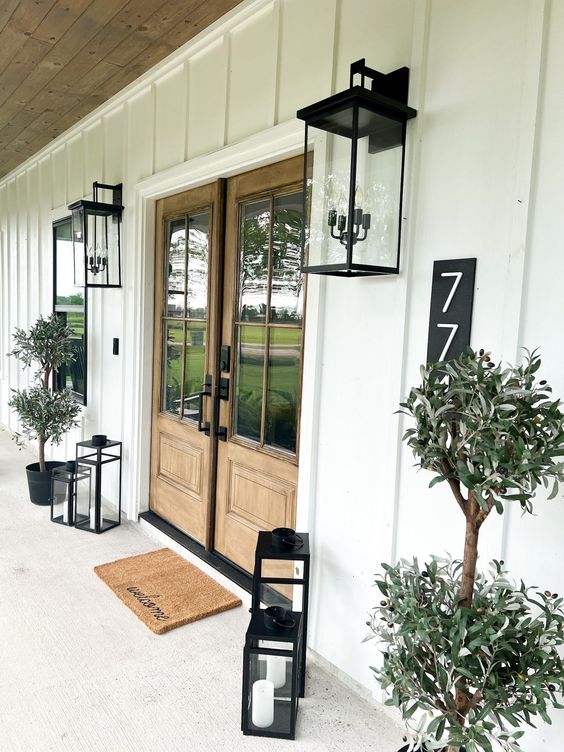
The Green Revolution in Commercial Design
Commercial spaces are embracing a green revolution, driven by the imperative to create sustainable environments that not only impress clients but also contribute positively to the planet. The integration of eco-friendly practices not only aligns with global initiatives but also presents tangible benefits for businesses in the long run.
Eco-Friendly Materials and Their Impact
One of the pivotal trends gaining momentum is the use of eco-friendly materials. From recycled steel to sustainably sourced wood, these choices not only reduce the carbon footprint of construction but also contribute to healthier indoor air quality. According to recent statistics, buildings utilizing such materials have shown a significant decrease in energy consumption.
Biophilic Design
As the concrete jungles of commercial spaces continue to expand, the importance of reconnecting with nature becomes paramount. Biophilic design, incorporating natural elements into the built environment, is a trend that not only enhances aesthetics but also promotes employee well-being. Studies have shown that incorporating nature into the workplace boosts productivity and reduces stress levels.
Energy-Efficient Technologies
The integration of cutting-edge technologies is revolutionizing the way we approach energy consumption in commercial spaces. Smart lighting systems, energy-efficient HVAC systems, and solar panels are just a few examples of technologies that not only reduce operational costs but also position businesses as leaders in environmental responsibility.
Adapting to Flexible Workspaces
In the wake of the recent shift towards remote work, the concept of flexible workspaces has gained prominence. Commercial designs that seamlessly adapt to evolving work patterns are becoming increasingly popular. The statistics speak for themselves, with companies reporting increased employee satisfaction and productivity in spaces designed for flexibility.
As we navigate the dynamic realm of commercial design, embracing these “Green Commercial Design Trends” isn’t just a choice; it’s a responsibility. Sustainable practices not only align businesses with the values of a conscious clientele but also future-proof their operations in an era where environmental considerations are non-negotiable.
Feel free to explore related blogs on our website for more insights into sustainable practices in commercial design. Your journey towards a greener, more innovative workspace begins here. Office Layouts for Maximum Efficiency
Frequently Asked Questions
What is sustainable commercial design?
It is an approach to building and interior planning that minimizes environmental impact by using eco-friendly materials, energy-efficient systems, and health-focused layouts.
How does biophilic design help businesses?
By incorporating nature into the workplace, it helps lower stress and enhance overall employee productivity and satisfaction.
What materials are commonly used in sustainable construction?
Toggle Content goes here
Why are energy-efficient technologies important?
Technologies like smart lighting and solar panels help reduce ongoing operational costs while demonstrating corporate environmental responsibility.
 Builder Boy
 Builder Boy
 Builder Boy
 Builder Boy
 Builder Boy
 Builder Boy
 Builder Boy
 Builder Boy