
Key Takeaways
- Factory-Built Precision: Modular homes are constructed in sections (modules) within a controlled factory environment. This protects building materials from weather damage and ensures high construction standards that meet or exceed local building codes.
- Cost Savings: Because of streamlined factory processes, reduced material waste, and lower labor costs, modular homes can cost up to 20% less per square foot than traditional site-built homes.
- Faster Build Times: While traditional homes can take months to build, modular homes can be constructed and assembled on a permanent foundation in just a matter of weeks.
- High Customization: Modular homes are far from cookie-cutter; buyers can choose from a wide variety of floor plans, finishes, and features to fit their personal preferences.
- Ideal for California Challenges: Their precise engineering allows them to meet strict building codes for seismic activity (earthquakes), and they can be constructed with fire-resistant materials to help protect against wildfires, making them a great solution for the state’s affordable housing needs.
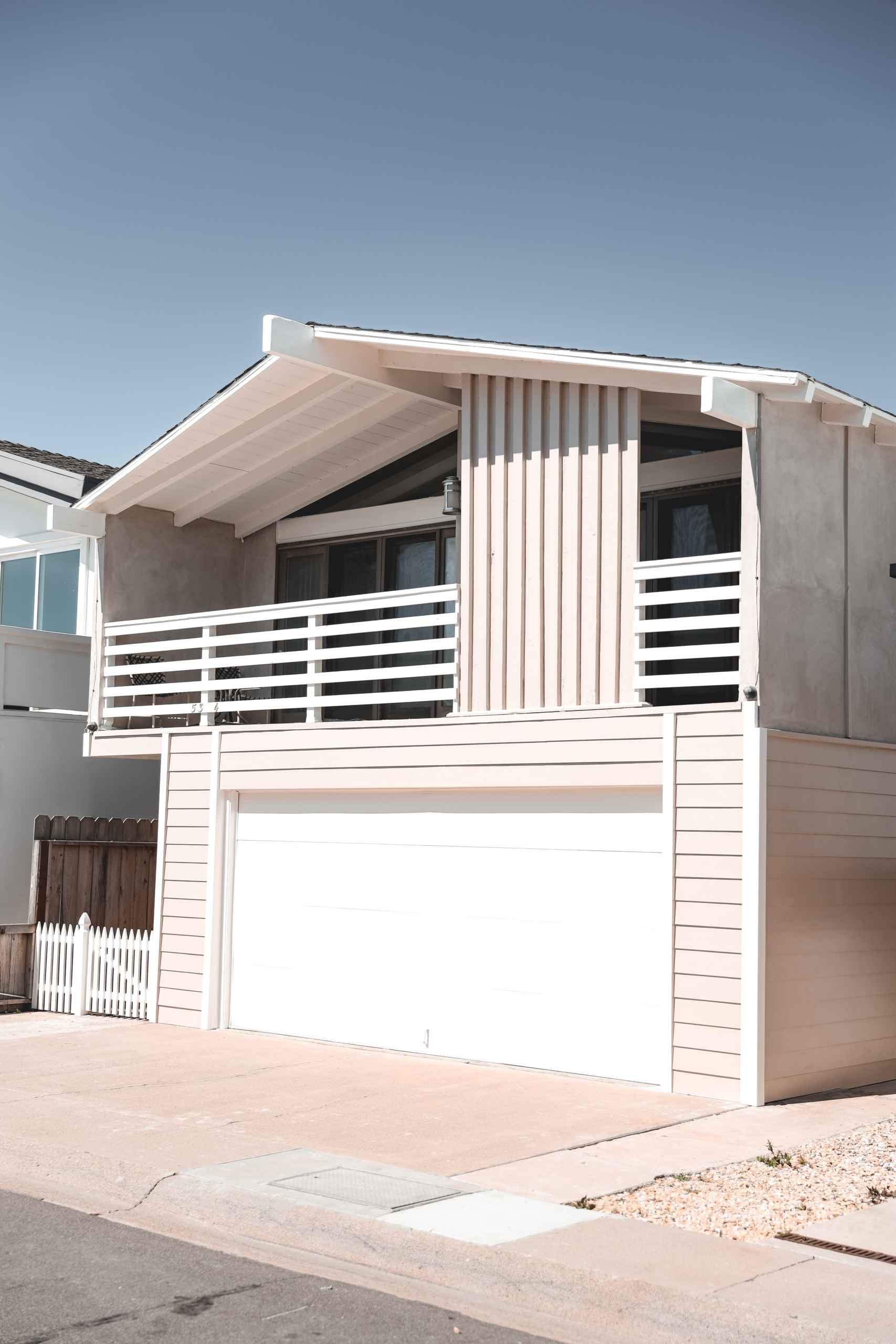
Furthermore, modular homes are transforming the housing industry by offering an innovative approach to home construction. Unlike traditional homes, manufacturers build modular homes in sections within a factory setting, ensuring high quality and precision. Workers then transport these sections, or modules, to the building site and assemble them into a complete home. As a result, this method not only saves time but also reduces costs, making modular homes an attractive option for many potential homeowners.
What Are Modular Homes?
Modular homes offer a comprehensive range of benefits, ranging from cost-effectiveness and efficiency to strict quality control and sustainability. Moreover, they provide an innovative solution to modern housing challenges, particularly within California. With their ability to meet rigorous building codes, offer deep customization, and ease housing shortages, modular homes represent an exceptional choice. Whether you seek an eco-friendly sanctuary or a luxury estate, modular homes fulfill your needs while ensuring speed and high construction quality. As demand continues to rise, ultimately, modular homes will undoubtedly play a pivotal role in the future of home construction.
The Process of Building Modular Homes
1. Design and Planning:
Initially, the first step in building a modular home is designing the layout and selecting the finishes. Homebuyers can choose from a variety of floor plans and customize their home to suit their needs and preferences.
2. Factory Construction:
Once you finalize the design, construction begins in a factory setting. This controlled environment protects building materials from weather-related damage and, consequently, allows for a more efficient construction process.
3. Transportation and Assembly:
After workers build the modules, they transport them to the building site. Next, workers use a crane to place the modules on the foundation, while the sections are joined together to create a seamless structure.
4. Finishing Touches:
Finally, contractors complete the finishing touches, such as installing plumbing, electrical systems, and interior finishes. The result is a high-quality, energy-efficient home that is ready for occupancy in a fraction of the time typically required for a traditional build.
Benefits of Modular Homes
1. Cost-Effectiveness:
One of the most significant benefits of modular homes is their cost-effectiveness. Factory construction reduces labor costs and material waste, resulting in lower overall expenses. According to the National Association of Home Builders, modular homes can cost up to 20% less per square foot than traditional homes.
2. Efficiency:
Modular homes are built much faster than traditional homes. While site-built homes can take several months to complete, modular units can be constructed and assembled within a matter of weeks. This efficiency stems from the streamlined factory process and the ability to work on multiple modules simultaneously.
3. Quality Control:
Building in a factory setting allows for greater quality control. Builders construct each module to precise specifications, ensuring that every aspect of the home meets high standards. Additionally, factory workers are experienced and skilled in modular construction, further enhancing the quality of the finished product.
4. Sustainability:
Modular homes are often more environmentally friendly than traditional homes. The factory construction process generates less waste, and many modular home manufacturers use sustainable building materials. Additionally, modular homes are typically more energy-efficient, leading to lower utility bills and a smaller carbon footprint.
5. Customization:
Contrary to popular belief, modular homes offer a high degree of customization. Homebuyers can choose from a variety of floor plans, finishes, and features to create a home that meets their specific needs and preferences. This flexibility makes modular homes a versatile option for a wide range of buyers.
Why Modular Homes Are Ideal for California
1. Seismic Safety:
California is known for its seismic activity, and modular homes are designed to meet strict building codes that ensure they can withstand earthquakes. The factory construction process allows for precise engineering, resulting in a structurally sound home that offers increased safety for residents.
2. Wildfire Resistance:
In addition to seismic safety, modular homes can be built with fire-resistant materials, making them a suitable option for areas prone to wildfires. This added layer of protection provides peace of mind for homeowners in fire-prone regions.
3. Affordable Housing:
California faces a significant affordable housing crisis, and modular homes offer a viable solution. The lower construction costs and faster build times make modular homes an affordable option for many families, helping to address the state’s housing shortage.
4. Eco-Friendly Living:
With a growing emphasis on sustainability, modular homes align with California’s environmental goals. Their energy-efficient designs and use of sustainable materials contribute to a greener lifestyle, which is increasingly important to many Californians.
Common Misconceptions About Modular Homes
1. Lack of Quality:
Some people believe that modular homes are of lower quality than traditional homes. However, this is a misconception. Builders construct modular homes to meet or exceed local building codes, and inspectors often perform rigorous checks to ensure high standards to ensure they meet high standards.
2. Limited Design Options:
Another common misconception is that modular homes have limited design options. In reality, modular homes offer a wide range of customization options, allowing buyers to create a home that reflects their personal style and needs.
3. Resale Value:
Some people worry that modular homes have a lower resale value compared to traditional homes. However, modular homes that are well-maintained and built to high standards can appreciate in value similarly to site-built homes.
4. Temporary Structures:
There is a misconception that modular homes are temporary or not as durable as traditional homes. In fact, modular homes are built to last and can be just as durable, if not more so, than site-built homes. Engineers design them as permanent structures that can withstand various weather conditions.
Case Studies: Modular Homes in California
1. Eco-Friendly Community in Los Angeles:
In Los Angeles, a developer created an eco-friendly modular home community that offers affordable and sustainable housing options. The homes are built using recycled materials and are designed to be energy-efficient, reducing the overall carbon footprint of the community.
2. Affordable Housing in San Francisco:
In San Francisco, a modular housing project was developed to address the city’s affordable housing crisis. The project includes a mix of single-family homes and multi-unit buildings, providing housing for low-income families and individuals.
3. Luxury Modular Homes in Napa Valley:
In Napa Valley, a developer built luxury modular homes that offer high-end finishes and modern amenities. These homes demonstrate that modular construction can be used to create upscale residences that meet the demands of discerning buyers.
Modular homes offer a comprehensive range of benefits, ranging from cost-effectiveness and efficiency to strict quality control and sustainability. They provide an innovative solution to modern housing challenges, particularly within California. With their ability to meet rigorous building codes, offer deep customization, and ease housing shortages, modular homes are an exceptional choice. Whether you seek an eco-friendly sanctuary or a luxury estate, modular homes fulfill your needs while ensuring speed and high construction quality. As demand continues to rise, modular homes will undoubtedly play a pivotal role in the future of home construction.
Frequently Asked Questions
What is the difference between a modular home and a traditional site-built home?
While both use the same quality materials and must meet the same building codes, traditional homes are entirely built on-site from the ground up. Modular homes are built in large sections (modules) inside a factory, transported to the building site, and then assembled onto a permanent foundation.
Are modular homes durable?
Yes. Modular homes are engineered to be permanent, durable structures. They are built to withstand transportation, rigorous assembly, and severe weather conditions just as well as traditional site-built homes.
Do modular homes appreciate in value like traditional homes?
Yes. Provided they are well-maintained and built to high standards, modular homes appreciate in value similarly to site-built homes.
Can I customize the layout and design of a modular home?
Yes. Modular construction offers a high degree of flexibility. Homebuyers can select from many floor plans and customize interior and exterior finishes to suit their style and needs.
Why are modular homes considered more sustainable and eco-friendly?
Factory construction generates significantly less construction waste than site-built homes, and many manufacturers utilize sustainable materials. Additionally, modular homes are typically designed to be highly energy-efficient, which lowers utility bills and reduces carbon footprints.
 Builder Boy
 Builder Boy
 Builder Boy
 Builder Boy
 Builder Boy
 Builder Boy
 Builder Boy
 Builder Boy