
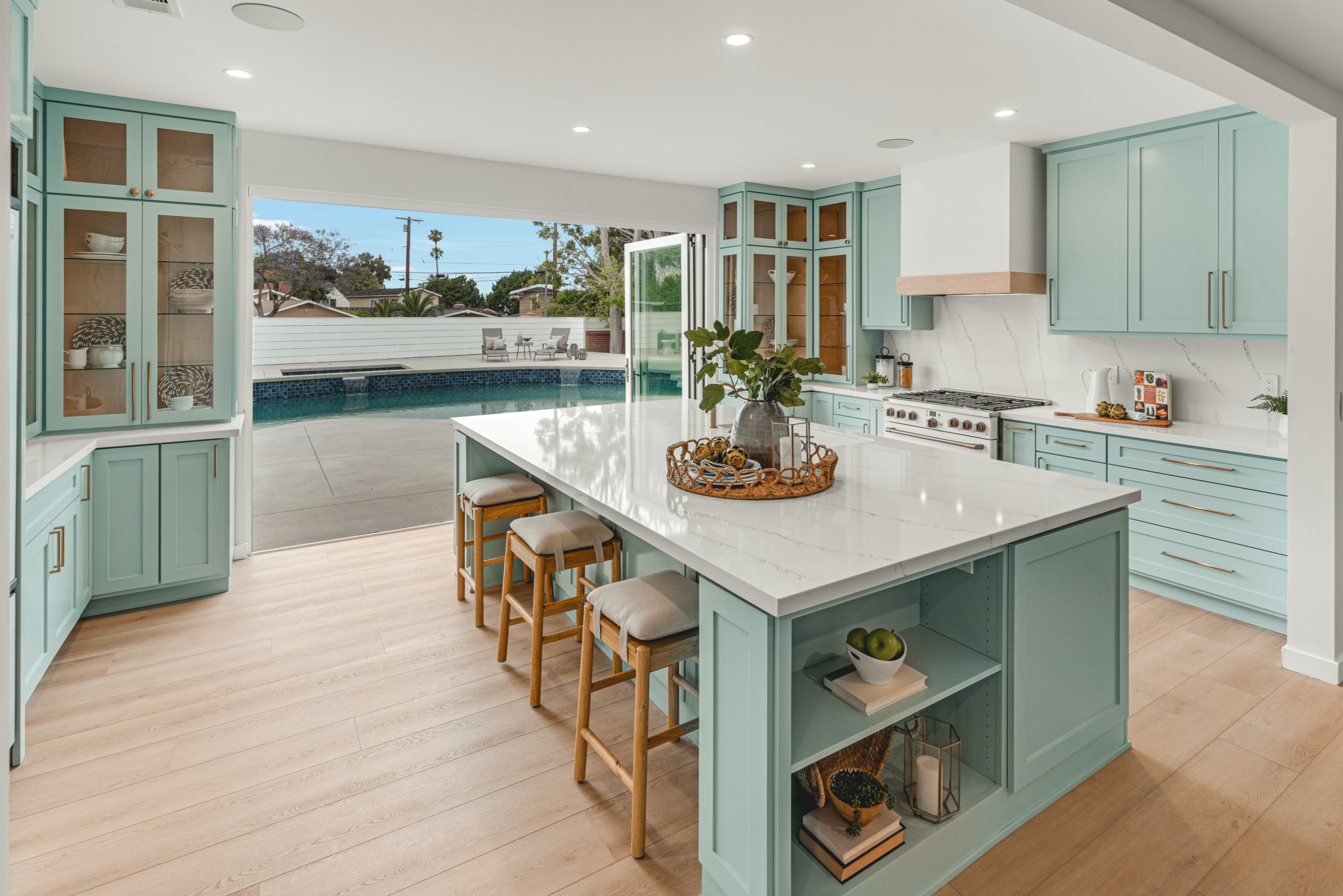
Design Your Dream Kitchen: Function & Style
- Strategic Layout Planning: Establish a strong functional foundation using the classic work triangle—connecting the refrigerator, sink, and stove—or modern layout alternatives tailored to your space.
- Ergonomic Design: Minimize strain and unnecessary movement by carefully positioning appliances, workstations, and adjustable counters to accommodate all users.
- Optimized Storage Solutions: Integrate clutter-free organizational features, such as tall vertical cabinets and pull-out drawers, to keep cookware and pantry items easily accessible.
- Durable Materials: Invest in resilient, long-lasting surfaces and finishes—ranging from classic granite to contemporary quartz countertops—to handle everyday wear and tear.
- Personalized Style: Harmonize color palettes, fixtures, and finishes to reflect your individual taste, creating a warm, inspiring environment for culinary creativity and family gatherings.
A kitchen that seamlessly blends functionality with aesthetics resonates with anyone embarking on a home improvement journey. Crafting the heart of your living space requires a delicate balance of practicality, style, and personal taste. In this guide, we delve into the intricacies of kitchen design, offering insights and expert tips to transform your culinary haven into a masterpiece.
Key Essentials to Design a Kitchen
1. Design a Kitchen Through Planning Your Layout
Before diving into the myriad of design choices, it is crucial to establish a well-thought-out layout. As a result, your kitchen’s layout sets the foundation for its functionality and flow. For instance, you can consider the classic work triangle—which connects the refrigerator, sink, and stove—to optimize efficiency in meal preparation. However, modern kitchen design frequently explores alternative layouts to suit individual preferences and space constraints.
2. Design a Kitchen that Embraces Ergonomics
Efficiency in the kitchen goes hand in hand with ergonomic design principles. Therefore, you should pay close attention to the placement of appliances, cabinets, and workstations to minimize unnecessary movements and strain. Additionally, incorporating adjustable countertops and accessible storage solutions ensures that your kitchen caters effectively to users of all ages and abilities.
3. Maximizing Storage Solutions
A well-designed kitchen seamlessly integrates ample storage options without compromising on style. From sleek cabinets with clever organizational features to innovative pantry solutions, optimizing storage space is essential for maintaining a clutter-free environment. Specifically, you can utilize vertical space with tall cabinets or, alternatively, install pull-out drawers for easy access to pots, pans, and pantry items.
4. Choosing the Right Materials
Selecting high-quality materials is paramount in creating a kitchen that stands the test of time. Beyond durable countertops and resilient flooring options, investing in quality materials not only enhances the aesthetic appeal but also guarantees longevity and functionality. Thus, you should explore a diverse range of materials—ranging from timeless granite to contemporary quartz—to find the ideal fit for your design aesthetic.
5. Infusing Personal Style
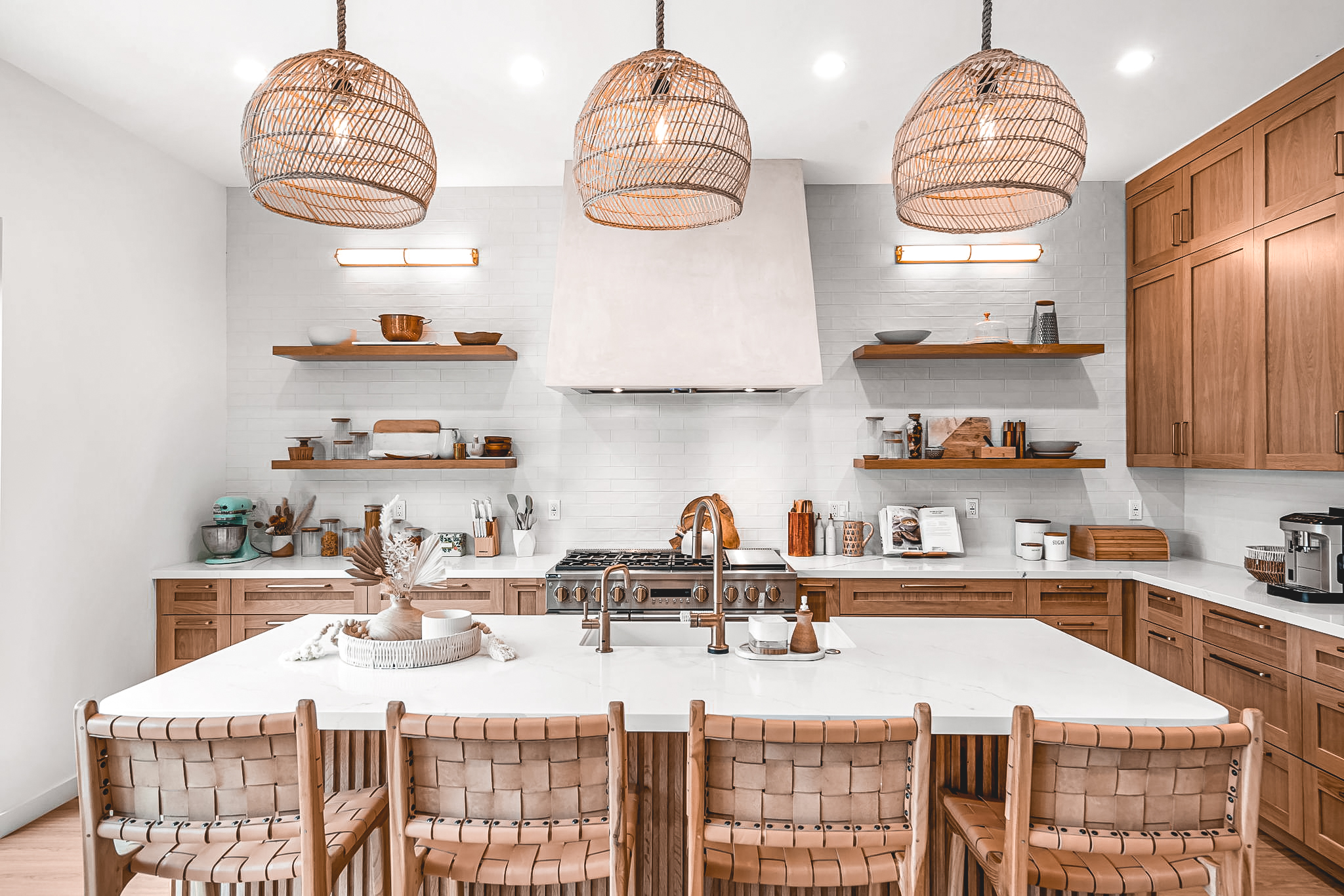
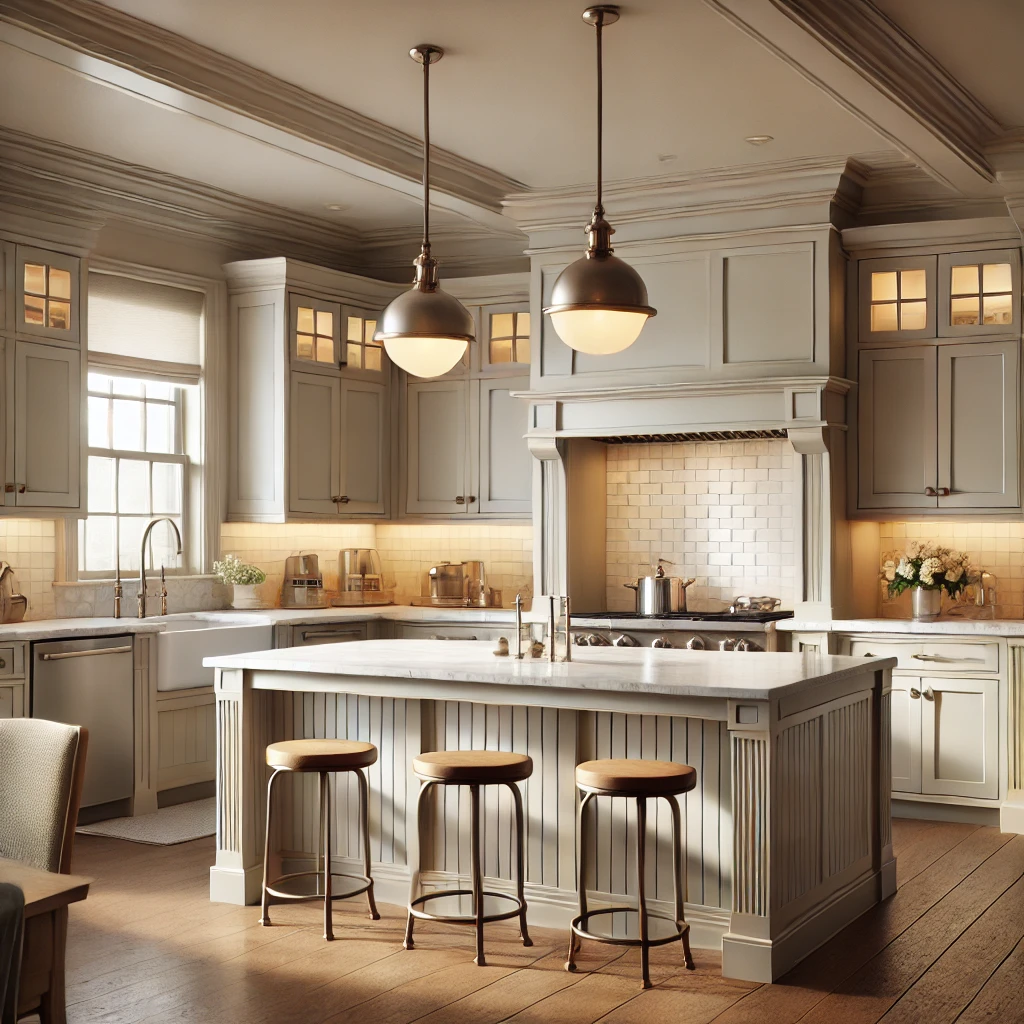
While functionality reigns supreme, infusing your personal style into the design adds a layer of character and warmth to your kitchen. Whether you prefer a sleek and modern aesthetic or, instead, lean toward a cozy farmhouse vibe, selecting cohesive design elements like color palettes, fixtures, and finishes ties the space together. Ultimately, don’t be afraid to incorporate unique touches that reflect your personality and lifestyle.
Designing a kitchen is a multifaceted endeavor that requires careful planning, creativity, and attention to detail. By understanding the fundamentals of kitchen design and incorporating personalized touches, you can create a space that not only meets your practical needs but also inspires culinary creativity and fosters memorable moments with loved ones.
Frequently Asked Questions
What is the kitchen work triangle?
It is a traditional design concept optimizing workflow and efficiency by connecting the three primary workstations: the refrigerator, the sink, and the stove.
How can I maximize storage in a small kitchen?
Focus on vertical space by installing tall cabinets, utilizing pull-out drawers, and incorporating clever built-in organizational features to keep counters clear.
Which countertop materials are the most durable?
Granite and contemporary quartz are top choices because they offer high resilience against heat, scratches, and daily wear while maintaining aesthetic appeal.
 Builder Boy
 Builder Boy
 Builder Boy
 Builder Boy
 Builder Boy
 Builder Boy
 Builder Boy
 Builder Boy