Key Takeaways
- Assess Water Pressure First: Check your home’s water pressure before buying; choose models designed for low-pressure systems or use shower heads with built-in aerators to improve efficiency.
- Match Spray Patterns to Preferences: Select from popular options like rainfall, massage, or needle spray depending on your desired shower experience.
- Prioritize Water Efficiency: Balance flow rates with performance by opting for aerated nozzles to lower water consumption without sacrificing pressure.
- Evaluate Material Durability: Plastic models offer budget-friendly affordability, whereas metal and stainless steel options provide long-term durability.
- Consider Additional Features: Built-in timers and water-saving modes are useful bonuses, though secondary to core performance.
Your shower head is one of the most important fixtures in your bathroom. It can completely transform your shower experience, from a quick rinse to a luxurious spa treatment. But with so many different shower heads on the market, how do you know which one is right for you?
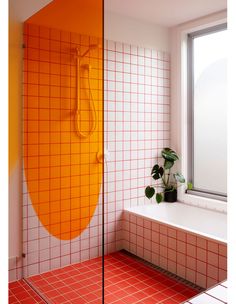
Here are a few things to consider when choosing a shower head:
- Water pressure: The first thing you need to do is check your water pressure. If you have low water pressure, you’ll need a shower head that is designed for low-pressure systems. Shower heads with aerators can help to improve water pressure and efficiency.
- Spray pattern: There are many different spray patterns available, so choose one that you’ll enjoy. Some popular options include rainfall, massage, and needle spray.
- Water efficiency: Shower heads come in a variety of water flow rates. If you’re concerned about your water bill, choose a shower head with a low flow rate. Shower heads with aerated nozzles can help to save water without sacrificing water pressure.
- Materials: Shower heads are typically made from plastic, metal, or stainless steel. Plastic shower heads are the most affordable option, but they may not be as durable as metal or stainless steel shower heads.
- Features: Some shower heads come with additional features, such as a built-in timer or a water-saving mode. These features can be a nice bonus, but they’re not essential.
Once you’ve considered these factors, you’ll be able to narrow down your choices and find the perfect shower head for your needs.
Here are some additional tips for choosing a shower head:
- Read reviews before you buy. This is a great way to get feedback from other homeowners who have used the shower head you’re considering.
- Don’t be afraid to splurge. A good shower head can last for many years, so it’s worth investing in a quality product.
- If you’re not sure what kind of shower head you need, ask a professional for help. A plumber or a bathroom designer can help you choose the right shower head for your budget and your needs.
Choosing the right shower head can make a big difference in your showering experience. By considering your water pressure, spray pattern, water efficiency, materials, and features, you can find the perfect shower head for your needs. With so many great options available, you’re sure to find the perfect shower head to help you start your day off right.
Frequently Asked Questions
What should I look for if I have low water pressure?
Look for shower heads specifically designed for low-pressure systems or models equipped with aerators to boost spray force.
Are plastic shower heads durable?
Plastic models are affordable and lightweight, but metal or stainless steel options generally last longer and offer better durability.
How can I save water without losing pressure?
Choose shower heads with low flow rates and aerated nozzles, which mix air into the water stream to maintain a strong feel while using less water.
Are extra features like built-in timers essential?
No, features like timers or water-saving modes are optional bonuses rather than essential performance factors.
Who should I consult if I am unsure which shower head to choose?
Ask a professional plumber or bathroom designer to help select a model that fits your budget, plumbing system, and preferences.
 Builder Boy
 Builder Boy
 Builder Boy
 Builder Boy
 Builder Boy
 Builder Boy