
Key Takeaways
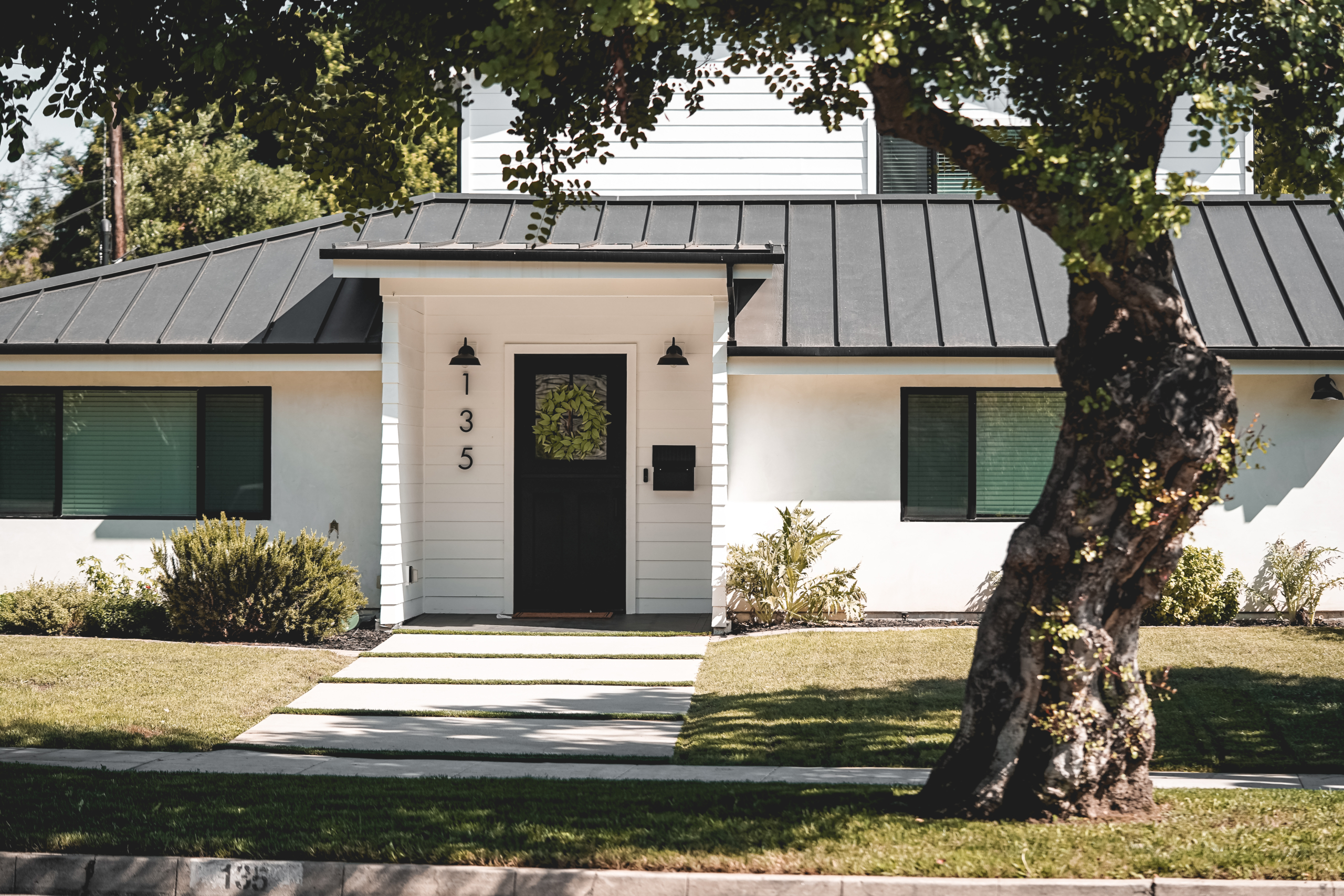
- Fortify the Roof: Use fire-resistant materials like metal roofing, concrete tiles, or treated asphalt shingles to prevent ignition from flying embers.
- Upgrade Exterior Walls: Replace combustible siding with non-combustible materials such as stucco, fiber cement, or brick.
- Secure Openings: Install tempered glass windows and ember-resistant vent covers, and retrofit garage doors with seals to block ember entry.
- Manage Defensible Space: Keep surrounding trees, shrubs, and grass well-maintained and cleared back from the structure.
- Protect Eaves and Soffits: Retrofit vulnerable overhangs with fire-resistant materials to stop flames and embers from becoming trapped.
As wildfires continue to pose a significant threat to homes and communities across the world, taking proactive measures to protect your property is paramount. Remodeling your home for wildfire resilience is not just a smart choice; it’s a responsible one.
In this article, we’ll explore the steps you can take to fireproof your home through remodeling. We’ll provide valuable guidance supported by statistics to help you safeguard your property against the devastating impact of wildfires.

Start with the Roof
Your roof is the first line of defense against flying embers and flames. Opt for fire-resistant roofing materials such as asphalt shingles treated with fire-resistant coatings, metal roofing, or concrete tiles. According to the National Fire Protection Association (NFPA), using fire-resistant roofing can significantly reduce the risk of ignition during a wildfire.
Upgrade Exterior Walls
Consider remodeling your home’s exterior with fire-resistant siding materials. Fiber cement, stucco, and brick are excellent choices. Statistics from the Insurance Institute for Business & Home Safety (IBHS) show that homes with non-combustible exteriors have a much higher chance of surviving wildfires.
Secure Windows and Vents
Embers can easily enter your home through windows and vents, causing interior fires. Install tempered glass windows and use ember-resistant vent covers to minimize this risk. According to the U.S. Fire Administration, ember-resistant vents can be a critical factor in protecting your home.
Maintain a Defensible Space
Landscaping plays a vital role in wildfire resilience. Create a defensible space around your home by keeping grass, shrubs, and trees well-maintained and at a safe distance from the structure. The National Interagency Fire Center reports that maintaining a defensible space can greatly reduce the threat of wildfire damage.
Upgrade Doors and Garage
Use fire-resistant doors and consider retrofitting your garage with weatherstripping and seals to keep out embers. The California Department of Forestry and Fire Protection (CAL FIRE) found that garage doors are a common point of entry for embers during wildfires.
Install Fire-Resistant Soffits and Eaves
Eaves and soffits can trap embers and flames, leading to roof fires. Retrofit these areas with fire-resistant materials to create a barrier against ignition. Research by the IBHS demonstrates that fire-resistant soffits and eaves can significantly reduce the risk of wildfire damage.
Wildfires are becoming an increasing threat to homes and communities. However, by taking proactive steps to fireproof your home through remodeling, you can significantly reduce the risk of wildfire damage. The statistics speak for themselves: homes with fire-resistant features and defensible spaces have a far greater chance of surviving wildfires unscathed.
Investing in wildfire resilience not only protects your property but also contributes to the safety of your family and your community. It’s a responsible choice that can provide peace of mind in these uncertain times. So, as you consider remodeling your home, keep these fireproofing measures in mind, and take action to fortify your property against the flames of the future.
Frequently Asked Questions
Why is the roof considered the most critical area for wildfire resilience?
The roof acts as the primary surface area exposed to flying embers and wind-borne fire brands, making it the most common entry point for a home to catch fire.
What siding materials offer the best protection against wildfires?
Non-combustible materials such as fiber cement, stucco, and brick provide the highest level of exterior protection.
How do embers typically enter a home?
Embers most commonly enter through unprotected vents, open or vulnerable windows, gaps around garage doors, and unsealed eaves or soffits.
What is a defensible space?
A defensible space is a landscaped buffer zone around a home where vegetation and other potential fuels are modified or cleared to reduce the threat of wildfire spread.
 Builder Boy
 Builder Boy
 Builder Boy
 Builder Boy
 Builder Boy
 Builder Boy
 Builder Boy