
Key Takeaways
- Understand Historical Significance: Many LA Spanish-style homes date back to the 1920s and 1930s, featuring handcrafted tiles, arches, and architectural heritage worth preserving.
- Budget for Maintenance: Beyond the purchase price, account for potential upgrades or structural upkeep required by older properties.
- Research Location & Preservation Rules: Neighborhoods like Hancock Park or Santa Monica offer unique vibes, but some areas have strict historical preservation guidelines governing architectural changes.
- Prioritize Inspections & History: Hire specialized inspectors to check outdated plumbing or electrical systems and research if the property is a designated historic landmark.
- Embrace Outdoor Living: Utilize traditional courtyards and gardens to maximize the lifestyle and aesthetic appeal of Spanish-style architecture.
Los Angeles is a city known for its diverse architectural styles, but few are as iconic and timeless as the Spanish-style home. These charming residences, inspired by the architecture of Spain, have been capturing the hearts of homebuyers for decades. From the red-tiled roofs to the wrought-iron accents, Spanish-style homes exude character and elegance. If you’re considering buying a Spanish-style home in LA, there are several important factors to keep in mind.
In this article, we’ll guide you through what you need to know on buying a Spanish style home in LA to make a well-informed decision.
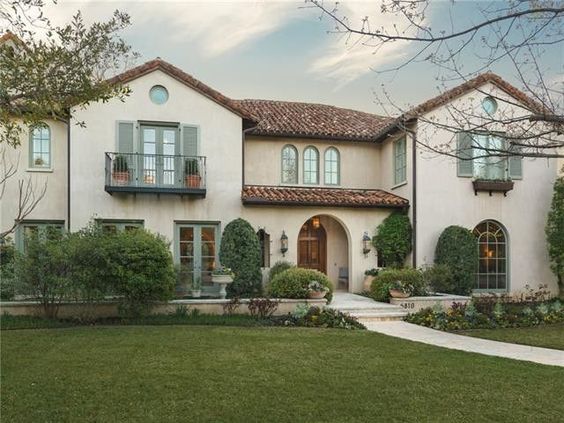
1. The Rich History of Spanish-style Homes in LA
Before diving into the practical aspects of buying a Spanish-style home, it’s essential to understand their historical significance in Los Angeles. These homes have a deep-rooted history, with their popularity surging in the 1920s and 1930s.
Many of the older Spanish-style homes in LA boast intricate details, handcrafted tiles, and arched doorways, making them architectural treasures. When purchasing one of these homes, you’re not just buying a property; you’re investing in a piece of LA’s cultural heritage.
2. Determine Your Budget
As with any home purchase, setting a budget is crucial. Spanish-style homes in LA can vary widely in price, depending on factors like location, size, and condition.
Take the time to evaluate your financial situation and determine what you can comfortably afford. Keep in mind that while these homes are charming, they may require maintenance or renovations, so budget accordingly.
3. Location Matters
Los Angeles is a sprawling city with diverse neighborhoods, each offering a unique lifestyle and ambiance. Spanish-style homes can be found in various areas, from historic neighborhoods like Hancock Park to beachside communities like Santa Monica.
Consider your lifestyle preferences, commute, and local amenities when choosing a location. Keep in mind that some neighborhoods have strict preservation guidelines, which can affect your ability to make significant changes to the property.
4. Home Inspection is a Must
Before finalizing any real estate transaction, always conduct a thorough home inspection. Spanish-style homes, especially older ones, may have hidden issues like outdated plumbing or electrical systems. Hire a qualified inspector who is familiar with the unique characteristics of these homes to identify any potential problems.
5. Research Property History
Researching the history of the property can provide valuable insights. Find out if it’s a designated historic landmark or if any renovations have been performed in the past. Knowing the property’s history can help you better appreciate its uniqueness and potential challenges.
6. Renovation and Restoration
Many Spanish-style homes in LA have been well-maintained or meticulously restored. However, some may require renovation work to bring them up to modern standards or to personalize them to your tastes. Consider your renovation budget and timeline carefully, as preserving the architectural integrity of these homes can be important to their value and charm.
7. Working with a Knowledgeable Realtor
When buying a Spanish-style home in LA, it’s essential to work with a realtor who understands the nuances of these properties. They can help you navigate the local market, find suitable listings, and negotiate the best deal for your dream home.
8. Understand the Preservation Rules
If your chosen Spanish-style home is located in a historically designated area, you’ll need to comply with preservation rules and guidelines. These regulations are designed to protect the architectural heritage of the neighborhood. Ensure you understand these rules and are willing to work within them when making changes to your property.
9. Appreciate the Outdoor Spaces
Spanish-style homes often feature beautiful outdoor spaces, including courtyards and gardens. Consider how you can enhance these areas to create your own private oasis. Spanish-style architecture lends itself well to outdoor living, so take advantage of it.
10. Embrace the Lifestyle
Owning a Spanish-style home in LA is not just about having a place to live; it’s about embracing a unique lifestyle. Enjoy the romantic charm, the beautiful architecture, and the rich history that comes with your new home.
In conclusion, buying a Spanish-style home in Los Angeles can be a rewarding experience, but it comes with its own set of considerations. By understanding the historical significance, setting a budget, choosing the right location, and working with knowledgeable professionals, you can make the process of buying a Spanish-style home in LA a smooth and fulfilling journey. With a bit of research and careful planning, you’ll soon be sipping sangria on your own picturesque patio in the City of Angels.
Take a look at Preservation Tips for Spanish Style Homes for more inspirational ideas.
Frequently Asked Questions
What features define a Spanish-style home in LA?
Key characteristics include red-tiled roofs, stucco walls, wrought-iron accents, arched doorways, and central courtyards.
Do I need a specialized home inspector?
Yes, older Spanish-style properties often have unique structural elements and aging utility systems that require a professional familiar with historic architecture.
Can I remodel a Spanish-style home freely?
It depends on the location; homes situated within designated historic preservation overlay zones are subject to strict guidelines that limit major exterior changes.
Are these homes more expensive to maintain?
They can be, as older materials, custom tile work, and specialized roof tiles often demand expert craftsmanship for repairs.
 Builder Boy
 Builder Boy
 Builder Boy
 Builder Boy
 Builder Boy
 Builder Boy
 Builder Boy
 Builder Boy